





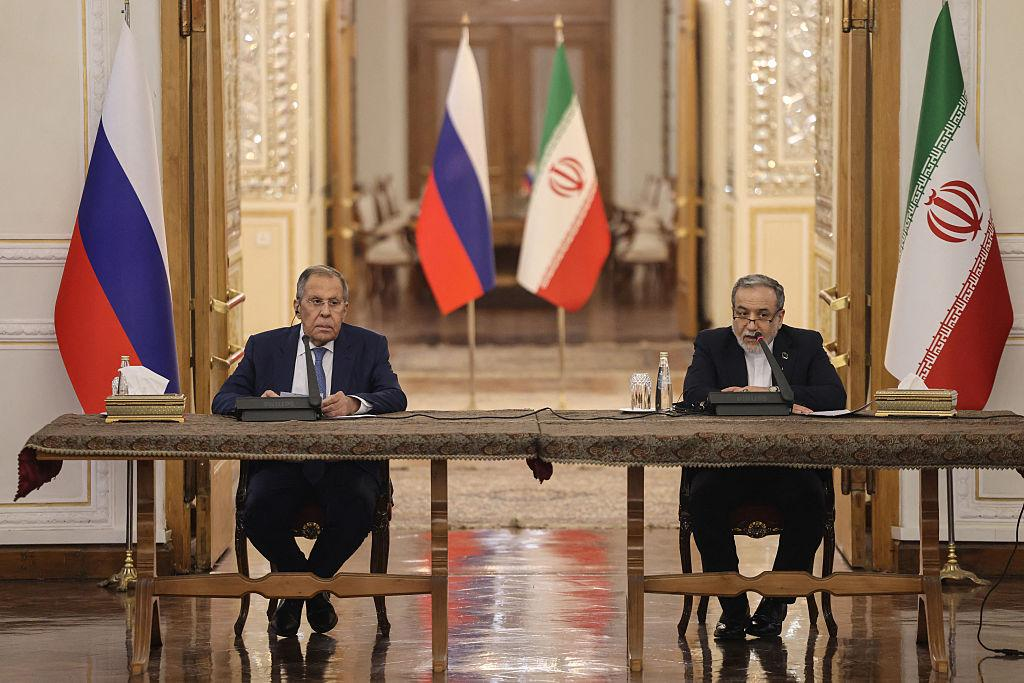
Diplomatic efforts to contain the Middle East conflict have entered a new phase following high-level talks in Tehran involving representatives from Saudi Arabia, Turkey and Pakistan, as regional tensions continue to threaten security, energy supplies and international shipping.
According to Reuters reporting published Monday, October 26, senior officials from the three countries met Iranian representatives in an effort to reduce tensions and establish channels for further negotiations.
Saudi Arabia was represented by Defence Minister Prince Khalid bin Salman, while Pakistan’s army chief, Field Marshal Asim Munir, and Turkish intelligence chief Ibrahim Kalin also participated in the diplomatic initiative.
The talks represent an important development in regional diplomacy following months of confrontation involving Iran, the United States, Israel and other regional actors.
Saudi officials described the visit as an attempt to prevent renewed military escalation, reflecting growing concerns about the consequences of a wider conflict.
The diplomatic initiative comes as fighting involving Yemen’s Houthi movement continues to place pressure on regional security.
The Houthis claimed new attacks against Saudi infrastructure on Monday, including energy facilities and Riyadh airport. Saudi authorities had not immediately confirmed those claims in the Reuters report.
The conflict has also disrupted maritime traffic through the Strait of Hormuz, one of the world’s most strategically important routes for oil and gas shipments.
Any prolonged disruption could have significant consequences for international energy markets, transportation costs and inflation.
Pakistan and Qatar have played mediation roles in efforts to reduce tensions, while the latest discussions have broadened diplomatic involvement to include other influential regional powers.
Egypt has also become more directly involved in regional security discussions, with its parliament authorizing military support for Saudi Arabia.
Despite the renewed diplomatic activity, significant obstacles remain.
Iranian officials indicated that the country’s nuclear programme was not part of Monday’s discussions, while broader disagreements over sanctions, military operations and regional security continue to complicate negotiations.
The Tehran meetings nevertheless suggest that regional governments are seeking diplomatic mechanisms to contain the conflict before it expands further.
Whether those efforts produce concrete agreements will depend on developments on the ground and the willingness of the parties involved to pursue sustained negotiations.