





Germany has moved closer to adopting a €561 billion federal budget for 2027, marking a significant expansion in public spending as Europe’s largest economy seeks to strengthen its infrastructure, modernize its military and support economic growth.
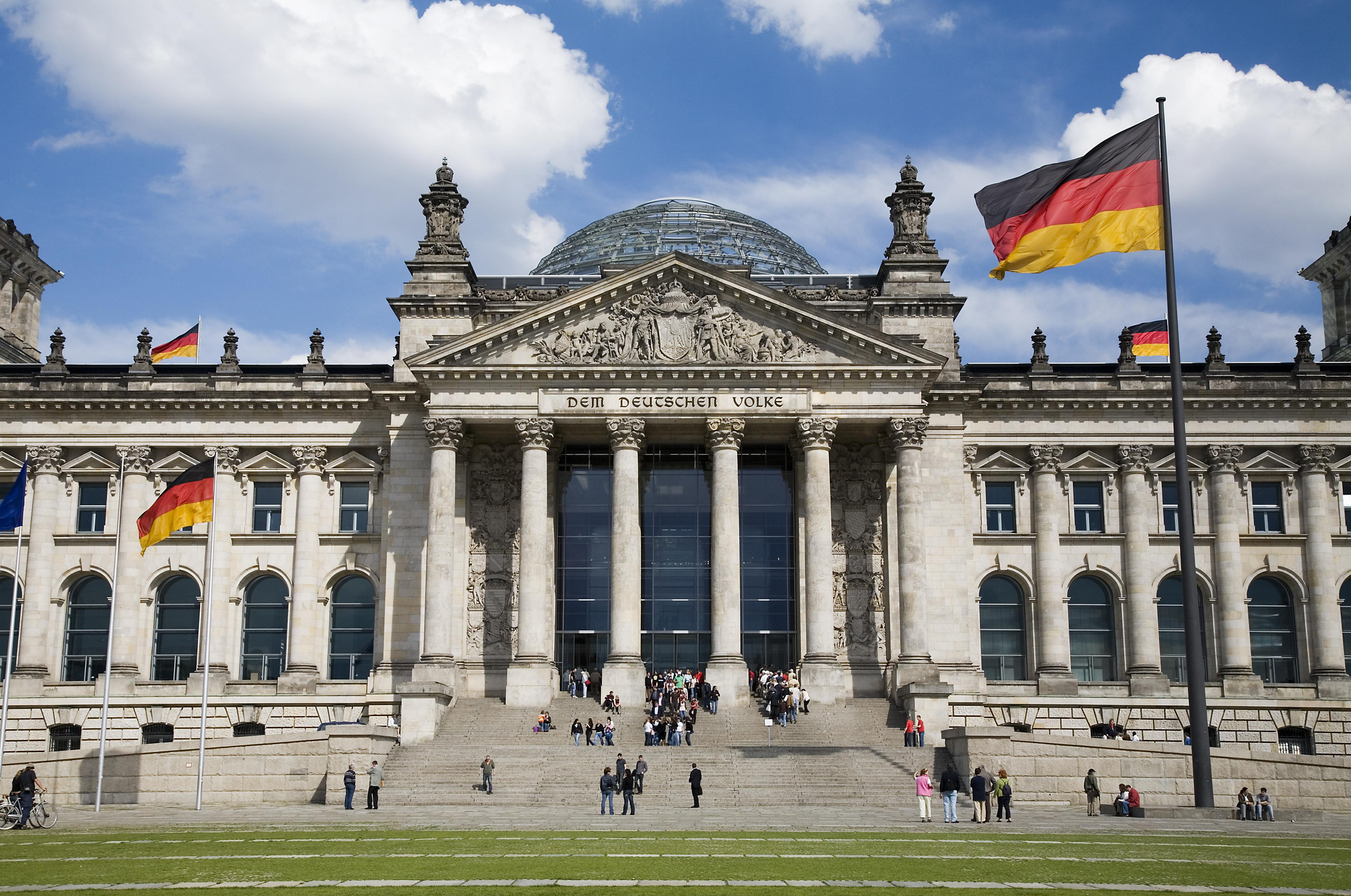
According to the German Bundestag, the parliamentary budget committee approved the revised spending plan on November 13, following lengthy negotiations between Chancellor Friedrich Merz’s Christian Democrats and their Social Democratic coalition partners.
The proposed budget represents a 6.9% increase in federal expenditure compared with 2026 and still requires final parliamentary approval.
Borrowing Approaches Historic Levels
Germany is expected to take on €210.4 billion in new debt in 2027, according to budget figures reported by Reuters.
That would represent the country’s second-highest annual borrowing level since the Second World War, approaching the €215.4 billion recorded in 2021 during the COVID-19 pandemic.
Approximately €123 billion would be borrowed through the core federal budget, with additional financing coming from special funds supporting infrastructure and defence.
The spending package reflects Germany’s changing approach to public finances following reforms that created greater flexibility for investment and security-related expenditure.
Defence and Social Spending Dominate
Social protection remains the largest component of Germany’s federal budget, with approximately €203.3 billion allocated to the Ministry of Labour and Social Affairs.
The defence ministry is expected to receive €109.8 billion through the core budget, supplemented by additional resources from the country’s special military fund.
The revised budget also provides €61.9 billion for investment, an increase of approximately €5.6 billion compared with the government’s initial proposal.
These allocations highlight the government’s attempt to balance military modernization, economic competitiveness and social protection.
Coalition Negotiations Reveal Divisions
Reaching an agreement required compromises between the governing parties over taxation, welfare and household energy costs.
A proposed tax on plastic packaging was abandoned, while a planned levy on sugary drinks was postponed until 2028.
The coalition also delayed a proposed reduction in electricity taxes and reversed plans to reduce certain benefits for children from low-income families.
These disagreements illustrate the political challenges facing the government as it attempts to reconcile higher spending with demands for tax relief and fiscal discipline.
Implications for Europe’s Economy
Germany’s spending decisions carry significance beyond its national borders.
As the European Union’s largest economy, Germany plays a central role in regional manufacturing, investment and trade.
Increased infrastructure expenditure could generate opportunities for construction companies, industrial suppliers and technology businesses across Europe.
However, higher borrowing also raises questions about debt servicing costs and the government’s ability to maintain sustainable public finances over the longer term.
The economic impact will depend partly on whether public investment translates into stronger productivity, improved infrastructure and sustained private-sector activity.
Parliament Prepares for Final Vote
The budget committee’s approval clears an important legislative hurdle, but the spending package must still receive final approval from the Bundestag.
The parliamentary vote is expected during the sitting week of November 24–27.
For Germany, the proposed 2027 budget represents an important test of whether increased public investment can support economic modernization while preserving fiscal stability.
For Europe, it signals a potentially significant shift in the economic policy of its largest member state.