





Canada is preparing to invest C$200 million in the Woodfibre liquefied natural gas project in British Columbia, a move that could strengthen the country’s energy export capacity and support its efforts to diversify international trade.
According to Reuters on November 13, citing a person familiar with the matter, the proposed federal investment could increase the facility’s planned production capacity by up to 24%.
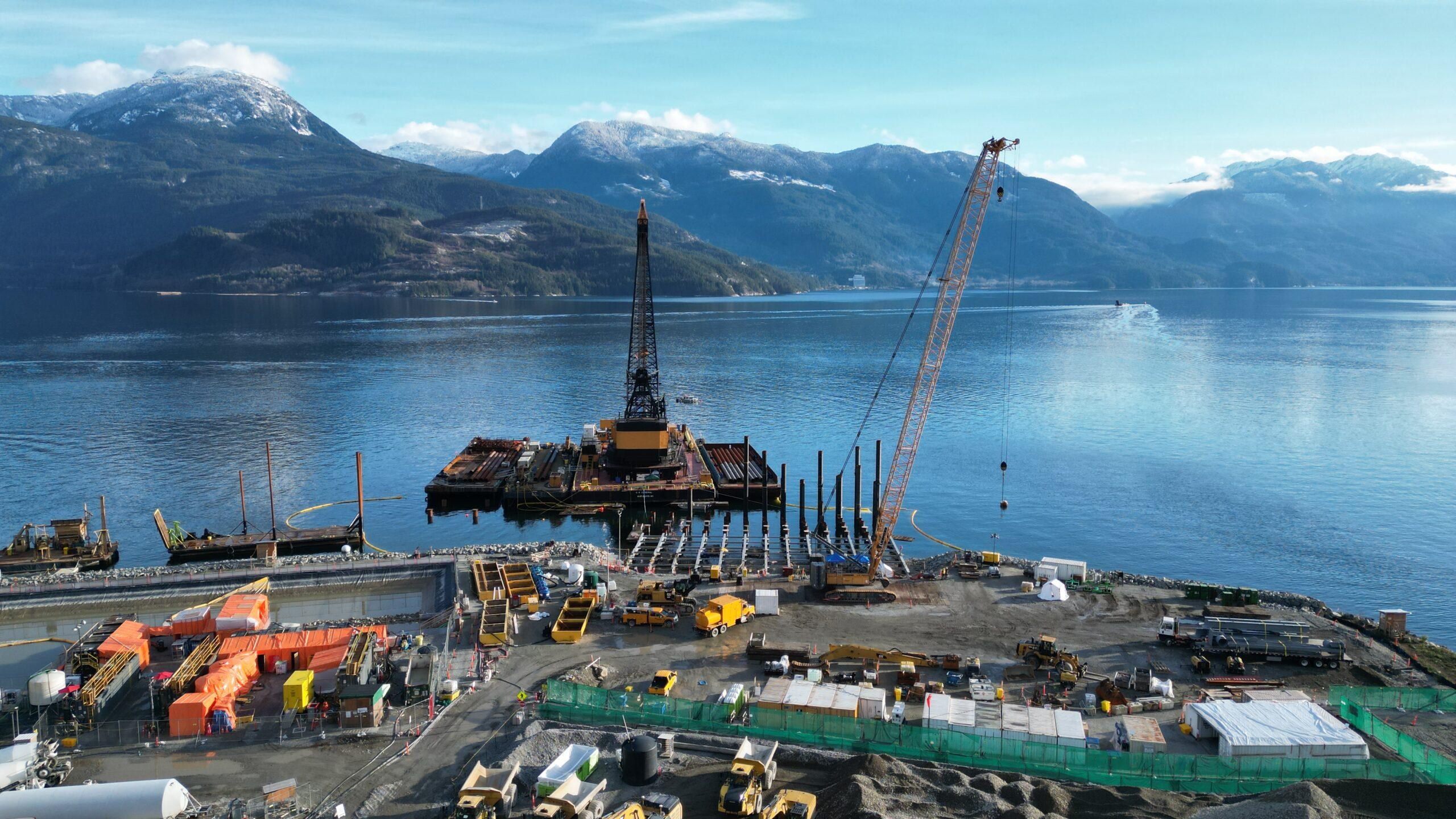
The project, currently under construction near Squamish, is part of Canada’s broader strategy to develop its Pacific Coast as a gateway for energy exports to international markets.
Expanding Canada’s LNG Export Capacity
Woodfibre LNG was originally designed to produce 2.1 million tonnes of liquefied natural gas annually.
The facility is being developed by Pacific Energy Corporation, which holds a 70% ownership stake, and Canadian energy infrastructure company Enbridge, which owns the remaining 30%.
Located on the shores of Howe Sound, the project includes a natural gas liquefaction facility, floating storage infrastructure and marine facilities for loading LNG onto export vessels.
The Canadian government has previously identified Woodfibre LNG as one of several projects that could strengthen the country’s position in global energy markets.
Commercial operations are expected to begin in 2027.
Reducing Dependence on the US Market
Canada’s energy sector has historically depended heavily on the United States as its principal export market.
Developing LNG infrastructure on the Pacific Coast provides an opportunity to reach additional customers, particularly in Asia.
Countries such as Japan and South Korea remain significant importers of liquefied natural gas, while other Asian economies are seeking diversified energy supplies.
Canada’s Pacific location offers a geographical advantage for reaching these markets.
The proposed investment comes as Ottawa seeks to expand commercial relationships beyond the United States and reduce its exposure to disruptions in bilateral trade.
Economic Benefits for British Columbia
Woodfibre LNG is expected to contribute to economic activity in British Columbia through construction, employment and demand for local services.
An economic impact assessment released by the company in October projected that construction of the facility and its associated pipeline would generate nearly C$7 billion in Canadian gross domestic product.
The study also estimated substantial government revenues over the project’s planned operating life.
These figures represent economic projections rather than guaranteed outcomes.
The project has also established hiring and contracting priorities for members of the Squamish Nation and other Indigenous communities.
Environmental Considerations
Woodfibre LNG is designed to use electricity rather than natural gas to power its liquefaction equipment, an approach intended to reduce operational greenhouse gas emissions.
The project is also notable for recognizing the Squamish Nation as an environmental regulator, reflecting an important development in Indigenous participation in Canadian industrial projects.
However, LNG development continues to generate debate over climate policy, methane emissions and the long-term role of fossil fuels in the global energy transition.
A Strategic Investment
The proposed federal funding highlights the growing importance of energy infrastructure in Canada’s economic strategy.
Expanding Woodfibre LNG could strengthen export capacity and improve the country’s access to international markets.
For Ottawa, the challenge will be balancing industrial growth, environmental commitments and the need to ensure that public investment delivers measurable economic benefits.
The reported investment has yet to be formally confirmed by the federal government.