




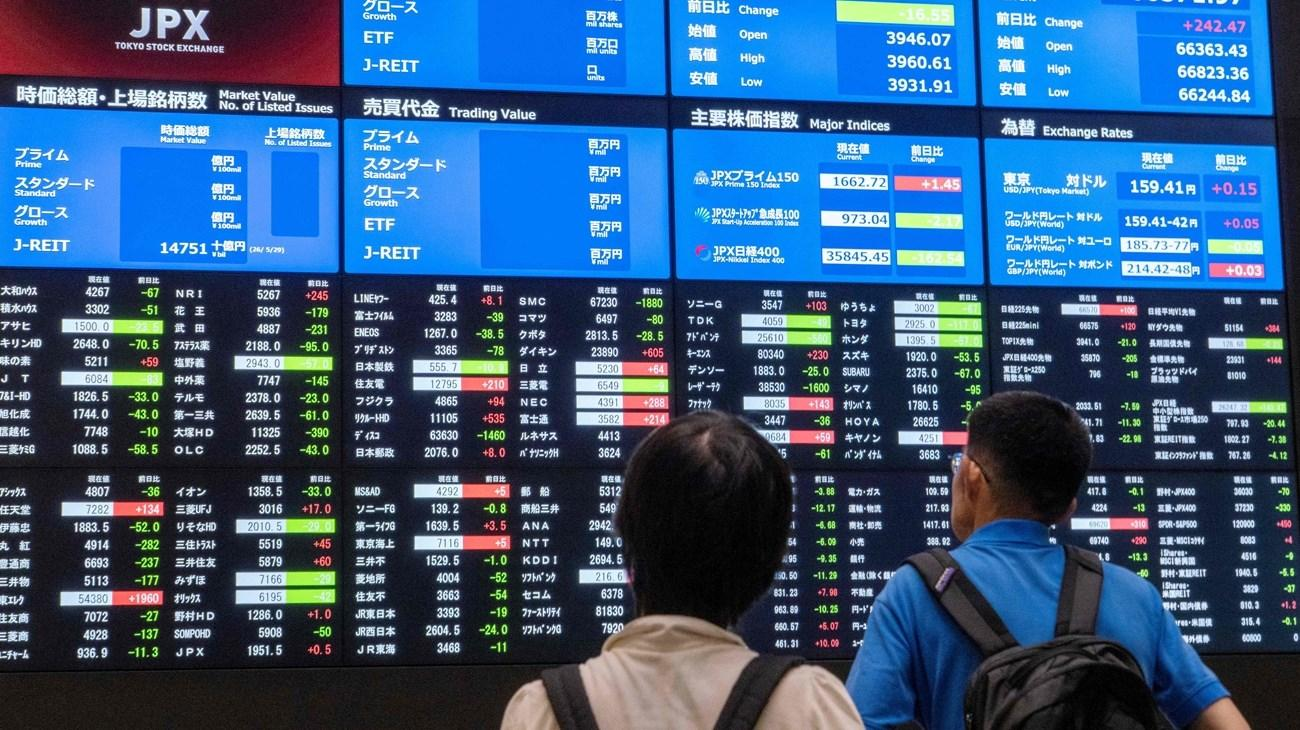
Asian stock markets advanced on Tuesday as declining oil prices eased concerns about inflation and renewed hopes that tensions between the United States and Iran could move toward negotiations.
According to Reuters on November 10, regional equities strengthened after US President Donald Trump indicated that he would hold off on additional military strikes against Iran. Investors interpreted the announcement as a possible opening for diplomacy, although a lasting agreement remains uncertain.
Brent crude futures traded around $91.56 per barrel, approximately 1% lower during the session and near their lowest levels since early September.
Energy Prices Drive Market Sentiment
Oil prices have become an important influence on Asian financial markets because many of the region’s largest economies depend heavily on imported energy.
Lower crude prices can reduce costs for manufacturers, transport operators and consumers.
They may also ease inflationary pressure, potentially giving central banks greater flexibility when setting interest rates.
However, a short-term decline in oil prices does not necessarily indicate that energy markets have stabilized.
Investors Await US Inflation Data
Attention is also turning to the latest American inflation figures, which could influence expectations about Federal Reserve interest-rate decisions.
US monetary policy affects Asian markets through currency movements, borrowing costs and international capital flows.
Higher US interest rates can attract investment toward dollar-denominated assets, creating additional pressure on emerging-market currencies.
Conversely, expectations of lower rates can improve investor appetite for Asian equities.
Diplomacy Remains Uncertain
The prospect of renewed US-Iran negotiations has improved market sentiment, but significant political and security uncertainties remain.
Investors will continue monitoring diplomatic statements, oil production, shipping conditions and economic data.
For Asian economies, sustained relief from high energy prices could support business activity and household spending. Whether that relief continues will depend on developments beyond financial markets.