




Canada has received its first two F-35 stealth fighter jets from the United States, marking an important milestone in the modernization of its air force even as the federal government continues to review the future of its multibillion-dollar aircraft procurement program.
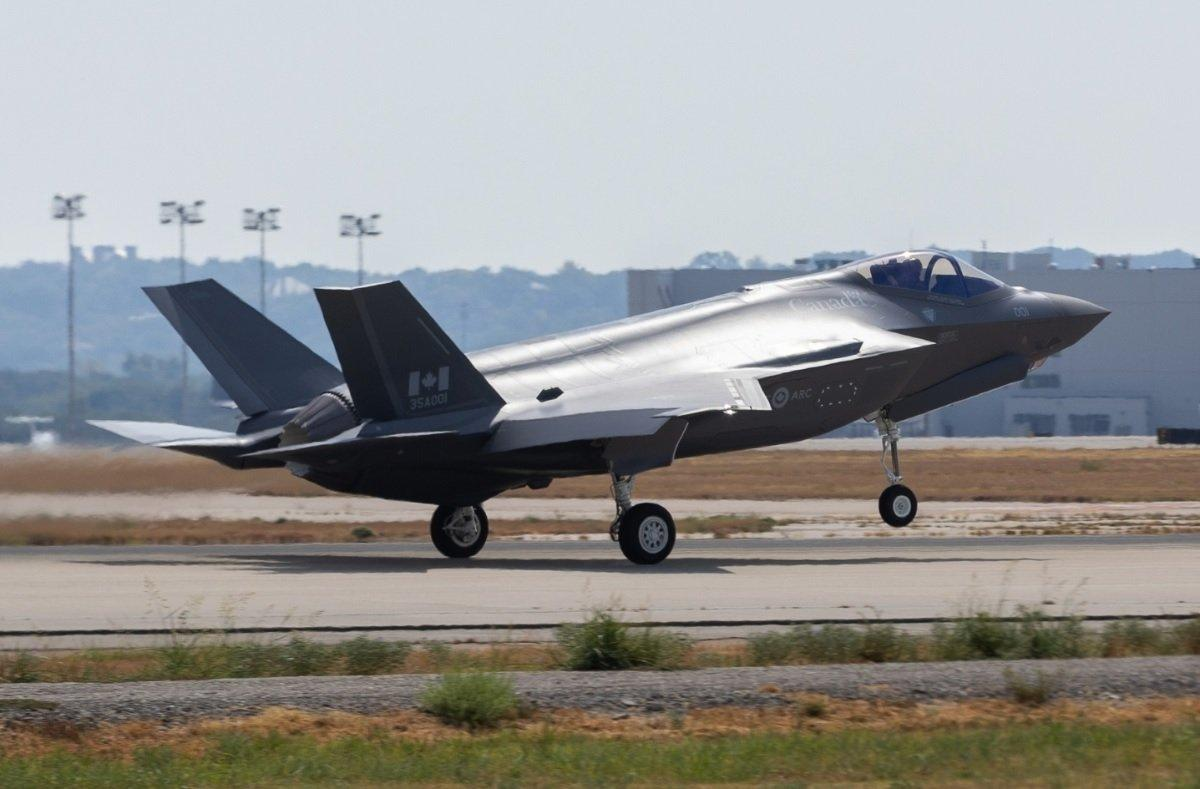
According to The Canadian Press, the Royal Canadian Air Force confirmed the arrival of the two Lockheed Martin aircraft at a facility in Phoenix, Arizona, on Friday. The announcement included a photograph of an F-35 bearing the Canadian maple-leaf insignia.
The development represents a significant step in Canada’s effort to replace its aging CF-18 fighter fleet, but it comes amid uncertainty over the country’s long-term defence procurement strategy.
Prime Minister Mark Carney’s government has been reviewing the planned purchase of 88 F-35 aircraft as relations between Ottawa and Washington face renewed pressure over trade disputes and questions about Canada’s defence independence.
A Major Defence Investment Under Scrutiny
Canada originally selected the F-35 in 2023 as part of a major modernization program intended to strengthen its air defence capabilities and meet commitments to NATO and the North American Aerospace Defense Command (NORAD).
The aircraft are designed to provide advanced stealth capabilities, sophisticated sensors and improved interoperability with allied forces.
However, the government’s review has raised the possibility of reducing the number of American-built aircraft and introducing another fighter model into Canada’s future fleet.
One option under discussion involves Sweden’s Saab Gripen, potentially creating a mixed fleet rather than relying exclusively on the F-35.
Such a decision would carry significant implications for military training, maintenance, procurement costs and Canada’s aerospace industry.
Questions Over Defence Sovereignty
The review has also intensified debate about Canada’s dependence on American military technology.
Former Canadian foreign minister Lloyd Axworthy has raised concerns about Washington’s control over software systems supporting the F-35 program.
Supporters of the aircraft argue that its advanced capabilities and integration with allied defence systems make it essential for Canada’s security.
Critics, meanwhile, question whether relying heavily on a single foreign supplier could limit Ottawa’s strategic flexibility during periods of political tension.
When Will the Jets Arrive in Canada?
Although Canada has now received its first two aircraft, they are not yet operating from Canadian military bases.
Under the original procurement schedule, the initial aircraft are intended for training activities at Luke Air Force Base in Arizona, while infrastructure preparations continue in Canada.
The federal government’s published program schedule anticipates the first F-35 aircraft arriving on Canadian soil in 2028.
The Royal Canadian Air Force has not yet confirmed when pilot training with the newly delivered jets will begin.
The arrival of the aircraft therefore marks the beginning of a new phase in Canada’s fighter modernization program, rather than the completion of the procurement process.
For Ottawa, the central challenge remains balancing military capability, economic considerations and national defence autonomy while determining the future composition of its fighter fleet.