





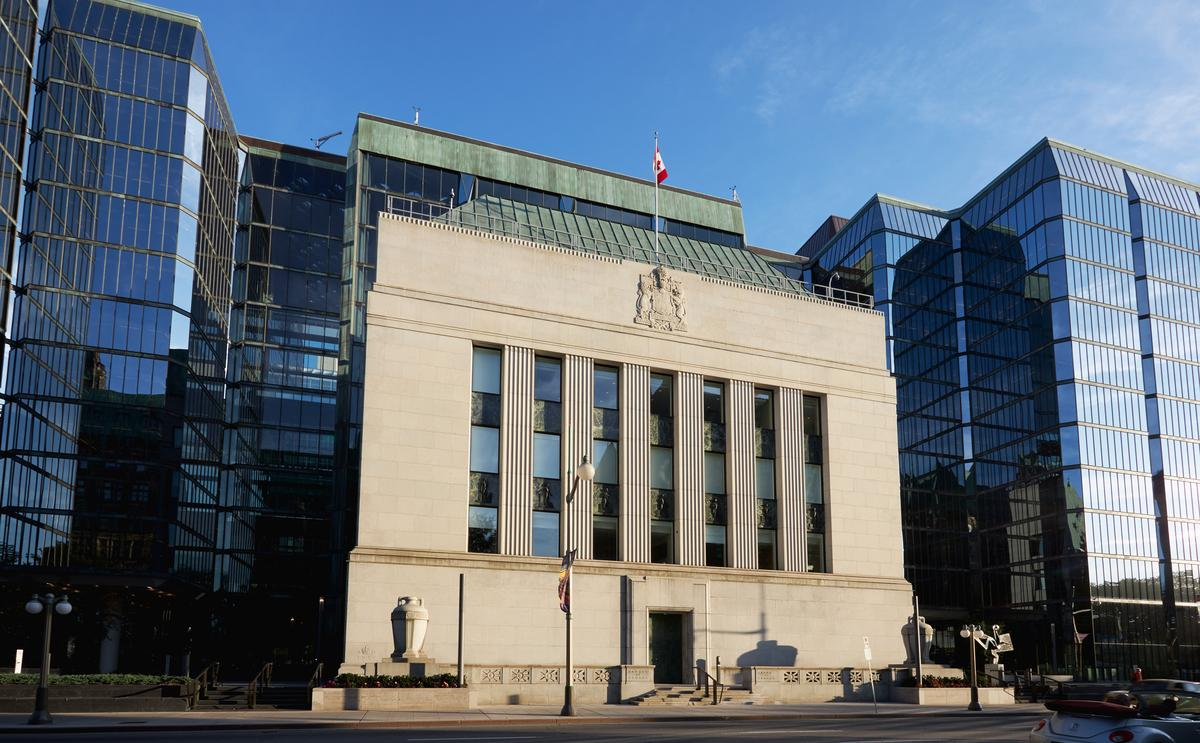
OTTAWA, October 26, 2026 — The Bank of Canada is widely expected to raise its benchmark interest rate this Wednesday, as policymakers face growing pressure to contain inflation driven by rising energy prices, despite signs of weakness in the Canadian economy.
According to a Reuters report published Monday, October 26, financial markets anticipate a quarter-percentage-point increase that would bring the central bank’s overnight rate from 2.25% to 2.50%. The move, if confirmed, would mark Canada’s first interest rate increase since July 2023.
The expected decision comes after annual inflation climbed to 3.1% in September, largely because of higher energy costs. Rising gasoline and diesel prices have intensified concerns that businesses may eventually pass additional expenses on to consumers.
However, underlying inflation measures have eased below 2%, suggesting that the recent increase in headline inflation has not yet spread widely throughout the economy.
A Difficult Decision for the Central Bank
Bank of Canada Governor Tiff Macklem has indicated that policymakers are prepared to respond if inflation remains elevated.
Recent business and consumer surveys have also highlighted concerns about future price increases, adding to expectations of tighter monetary policy.
A Reuters survey conducted between October 21 and 23 found that 19 of 34 economists expected the central bank to increase its policy rate by 25 basis points at Wednesday’s meeting.
Still, economists remain divided over whether an increase is necessary.
Canada’s economy continues to face significant challenges, including disappointing employment figures, slower growth and uncertainty surrounding trade relations with the United States.
Higher interest rates could make borrowing more expensive at a time when many households and businesses are already dealing with elevated living costs.
What Could Higher Interest Rates Mean for Canadians?
If the Bank of Canada raises its benchmark rate, Canadians with variable-rate mortgages and other borrowing products linked to prime rates could face higher financing costs.
Households renewing mortgages may also encounter continued pressure on their budgets, depending on their loan terms and market conditions.
For businesses, higher borrowing costs could discourage investment and expansion, particularly in sectors already affected by weaker demand.
On the other hand, supporters of a preventive rate increase argue that acting early could help contain inflation expectations and reduce the risk of more persistent price increases.
All Eyes on Wednesday’s Announcement
The Bank of Canada is scheduled to announce its interest rate decision on Wednesday, October 28, at 9:45 a.m. Eastern Time.
The central bank will also release its quarterly Monetary Policy Report, providing updated economic projections and its assessment of inflation risks.
The decision will be closely watched by homeowners, investors and businesses across Canada.
For now, a rate increase remains a market expectation rather than an official decision, leaving policymakers to weigh the risks of persistent inflation against the danger of slowing an already fragile economy.