





OTTAWA — Inflation is once again becoming a central concern for Canadian households as higher energy costs push consumer prices upward and increase uncertainty about the future of interest rates.
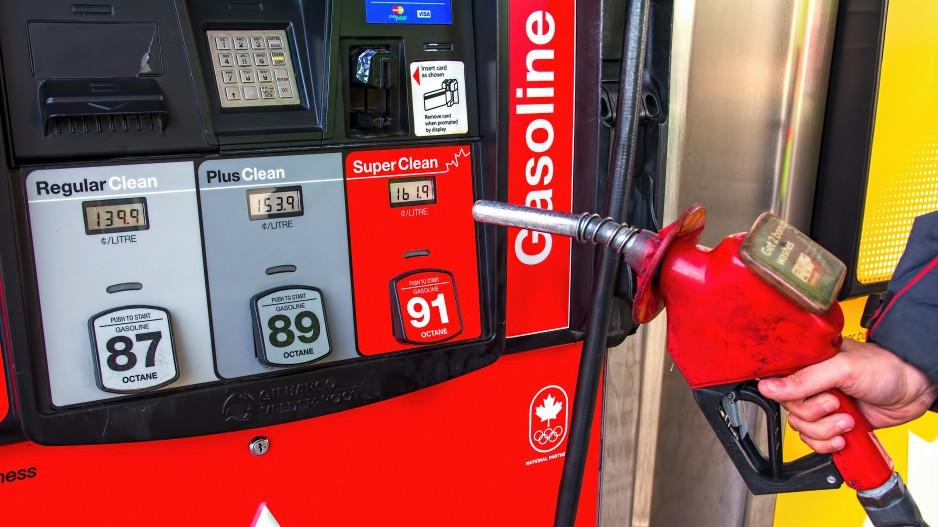
According to Statistics Canada’s Consumer Price Index report released on October 19, annual inflation rose to 3.1% in September 2026, up from 3.0% in August. Gasoline prices increased 27.8% compared with a year earlier, making energy a major driver of the latest increase.
The figures reveal an important distinction between overall inflation and the price pressures experienced in different parts of the economy.
Excluding gasoline, consumer prices increased 2.2% year over year, suggesting that the sharp rise in energy costs accounted for much of the acceleration in headline inflation.
Nevertheless, higher fuel prices can affect households beyond the cost of filling a vehicle.
Transportation expenses can influence the price of delivering goods, operating businesses and providing services.
If elevated energy costs persist, some businesses may pass additional expenses on to consumers.
Different Households, Different Pressures
The national inflation rate represents an average across a broad range of goods and services.
Individual households may experience very different changes in living costs depending on where they live and how they spend their income.
Families that rely heavily on driving can be more exposed to gasoline price increases.
Renters, homeowners and households with different food budgets may also experience inflation differently.
Statistics Canada’s September data showed transportation prices rising 8.4% year over year, while shelter costs increased 1.8%.
Food prices rose 2.2%, although the increase in food purchased from stores was lower.
These differences matter because households do not spend identical shares of their budgets on each category.
The Interest-Rate Question
Inflation also influences the cost of borrowing.
The Bank of Canada aims to keep inflation at 2%, within a control range of 1% to 3%.
When inflation rises above that range, policymakers must assess whether the increase is temporary or likely to become persistent.
Energy prices are particularly difficult to manage through interest-rate policy because they are influenced by global supply conditions and geopolitical events.
Higher interest rates cannot directly increase oil production or eliminate international supply disruptions.
However, monetary policy can influence domestic demand and reduce the risk that temporary price increases become embedded in broader inflation expectations.
For households, the challenge is that higher interest rates can add to borrowing costs even as living expenses rise.
What Canadians Should Watch
The next Bank of Canada interest-rate announcement, scheduled for October 28, will provide an important indication of how policymakers interpret the latest inflation data.
Economists surveyed by Reuters are divided, although a majority now expect a quarter-point increase.
The decision will depend on the central bank’s assessment of inflation, economic activity and future risks.
For Canadian households, the most important indicators will be whether energy prices stabilize, whether broader inflation remains contained and whether borrowing costs rise further.
The latest figures do not suggest that all prices are accelerating at the same rate.
They do show that energy-related inflation is creating a new challenge for household budgets and monetary policymakers.
Canada’s inflation outlook will therefore depend partly on developments far beyond its borders, particularly in international energy markets.