




CAPE TOWN — African governments are seeking to transform their mineral wealth into higher-value industrial products, but expensive and unreliable electricity threatens to undermine ambitions to build refineries, smelters and manufacturing industries across the continent.
According to a Reuters report published on October 19, countries including Guinea and Zimbabwe are encouraging more local processing of minerals through investment incentives, restrictions on raw-material exports and access to mining deposits. However, industry officials warn that electricity supply remains one of the greatest barriers to investment.
For decades, many mineral-rich African economies have exported raw materials while importing finished industrial products.
That model generates export revenue but limits opportunities to capture additional value through refining, processing and manufacturing.
Governments increasingly want to change the equation.
Guinea’s Industrial Ambitions
Guinea, one of the world’s major bauxite producers, provides a clear example.
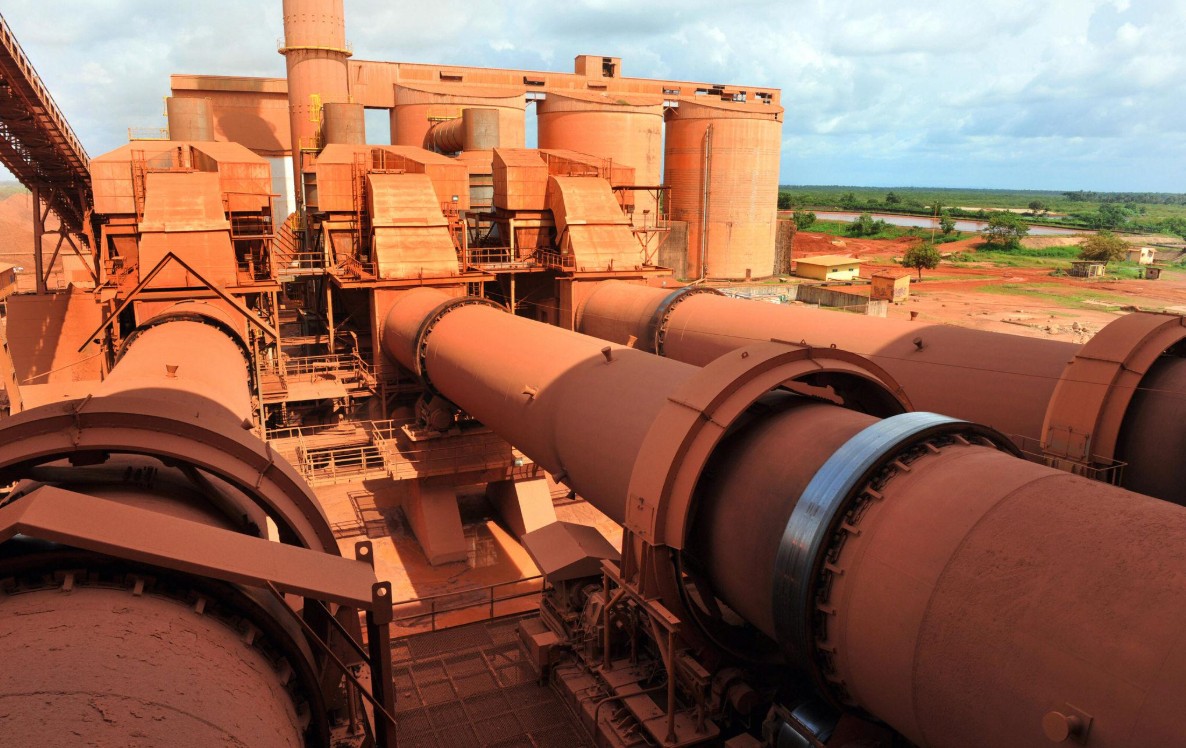
The country wants to expand beyond exporting the raw material used to produce aluminium and develop domestic alumina refining capacity.
Its ambitions include building several refineries by 2030 and eventually developing aluminium smelting operations.
Such investments could increase industrial activity, create skilled employment and strengthen domestic supply chains.
But the energy requirements are enormous.
Reuters reported that Guinea currently generates roughly 1,000 megawatts of electricity, while its broader industrial ambitions could require as much as 10,000 megawatts.
The gap illustrates the scale of the challenge.
Building processing plants without sufficient electricity would leave investors facing high operating costs, unreliable production and potentially uncompetitive exports.
South Africa Offers a Warning
South Africa demonstrates what can happen when energy problems undermine an established processing industry.
High electricity costs and supply difficulties have weakened the country’s ferrochrome smelting sector, reducing its ability to process minerals competitively.
The lesson is important for countries planning new refineries and smelters.
Access to mineral deposits is not enough to guarantee successful industrialization.
Companies also need reliable energy, transportation infrastructure, stable regulation and customers willing to purchase processed products.
Without those conditions, government incentives may attract interest but fail to deliver sustainable investment.
The Global Competition for Critical Minerals
Africa’s strategy comes at a time when demand for minerals used in batteries, electric vehicles, renewable energy and advanced technologies is reshaping international supply chains.
Countries with substantial mineral reserves have an opportunity to negotiate stronger industrial partnerships rather than remain suppliers of raw materials alone.
International investors and development finance institutions are showing interest in supporting local processing projects.
However, the economics of each project depend on the mineral, energy requirements, financing costs and access to markets.
A refinery that is commercially viable in one country may be uneconomic in another.
Industrial policy must therefore be adapted to local conditions rather than based solely on ambitious production targets.
Energy Is the Missing Industrial Policy
The electricity challenge is not separate from Africa’s mineral strategy. It is central to it.
Expanding power generation, modernizing grids and securing affordable energy supplies will be necessary to support large industrial facilities.
Renewable energy can contribute to this transition, but energy-intensive industries also require dependable supply capable of supporting continuous operations.
Regional power connections and long-term electricity agreements could help some countries overcome national infrastructure limitations.
Yet these solutions require significant capital and careful coordination.
From Resource Wealth to Industrial Wealth
Africa’s ambition to retain more value from its mineral resources represents an important shift in economic policy.
Success could help diversify economies, develop technical skills and reduce dependence on raw-material exports.
But the transformation will not occur through export restrictions or investment incentives alone.
It requires an integrated industrial strategy linking mining, electricity, transport, finance and workforce development.
The decisive question is whether African governments and investors can build the infrastructure needed to make local processing competitive.
Without affordable and reliable power, the continent risks possessing the minerals of the future while missing much of the industrial value they could generate.