





OTTAWA — Canadian businesses are entering the final months of 2026 with growing uncertainty over trade relations with the United States, as concerns about tariffs, investment and consumer demand complicate economic planning.
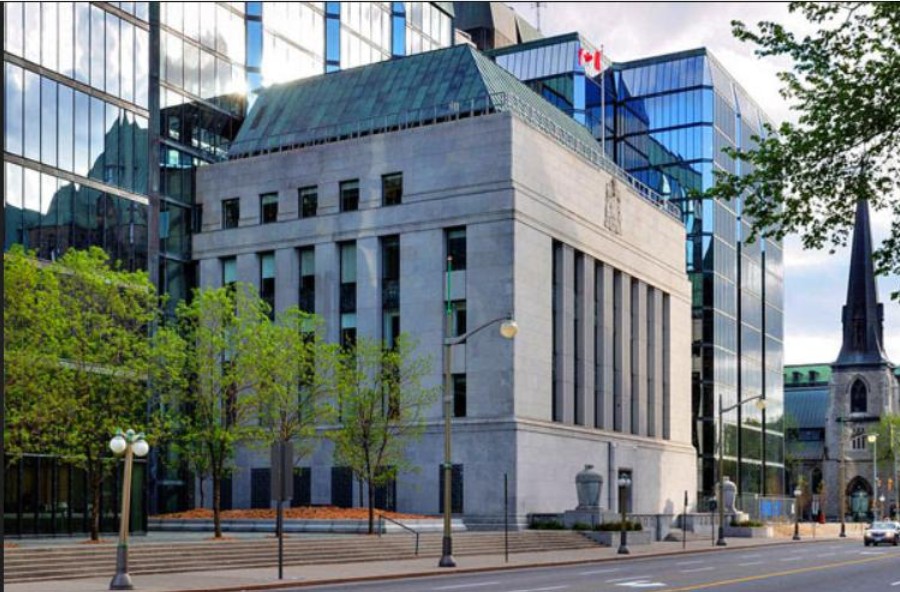
According to a Bank of Canada business survey reported by Reuters on October 19, executives expressed caution about future sales, hiring and investment amid continued trade tensions with Washington. The findings highlight how uncertainty over market access can affect business decisions even before new restrictions take effect.
The United States remains Canada’s most important export market, making the direction of bilateral trade policy particularly significant for manufacturers, energy producers and businesses operating across the border.
For companies that rely on integrated North American supply chains, uncertainty can be almost as disruptive as tariffs themselves. Businesses must decide whether to expand production, purchase equipment or recruit workers without knowing what trading conditions will prevail in the coming months.
Investment Decisions Under Pressure
Trade uncertainty affects different sectors in different ways.
Manufacturers with substantial US exposure face the possibility of higher costs and weaker competitiveness. Exporters must consider whether their products will remain attractive to American customers if tariffs or administrative barriers increase.
Companies serving primarily Canadian consumers face a separate challenge: households may reduce discretionary spending when economic confidence weakens or prices rise.
These pressures can reinforce each other. Slower investment limits business expansion, while cautious hiring can weaken household income growth and demand.
The result is an economy in which companies may postpone major decisions rather than commit to long-term projects.
Inflation Adds Another Complication
The Bank of Canada must also consider the inflationary consequences of international trade disruptions.
Tariffs and supply-chain adjustments can increase the cost of imported materials, machinery and consumer goods. Higher energy prices can add further pressure through transportation and production costs.
However, weaker economic demand can pull inflation in the opposite direction.
This creates a difficult policy environment for the central bank. Interest-rate decisions must account for both the risk of persistent price increases and the possibility that economic activity will slow.
For businesses, the challenge is similarly complex: financing costs, input prices and demand may all change at once.
The Search for Greater Economic Resilience
The current dispute is likely to reinforce Canada’s debate over reducing its dependence on a single export market.
Trade diversification could create opportunities in Europe and Asia, but developing new commercial relationships requires time, investment and reliable transportation infrastructure.
Canada must also strengthen domestic supply chains and improve productivity if its businesses are to compete effectively in a more fragmented global trading system.
Yet diversification cannot immediately replace the scale and geographic advantages of trade with the United States.
The central challenge is therefore to preserve access to the American market while building greater flexibility into Canada’s economy.
What Comes Next?
The latest business sentiment findings offer an early indication of how companies are responding to prolonged trade uncertainty.
If negotiations produce a more predictable commercial framework, businesses may become more willing to invest and hire.
If uncertainty continues, cautious spending and delayed expansion could become persistent features of Canada’s economic outlook.
For policymakers, the issue extends beyond resolving an individual trade dispute. It concerns whether Canada can provide businesses with the stability required for long-term investment in an increasingly unpredictable international economy.