




Morocco Appoints First Female-Led Government in Historic Political Milestone
RABAT, Morocco — Morocco has entered a new chapter in its political history with the appointment of its first government led by a woman, as Fatima Ezzahra El Mansouri takes office as prime minister following the country’s September parliamentary elections. The appointment marks a historic milestone for women’s political participation in the North African kingdom.
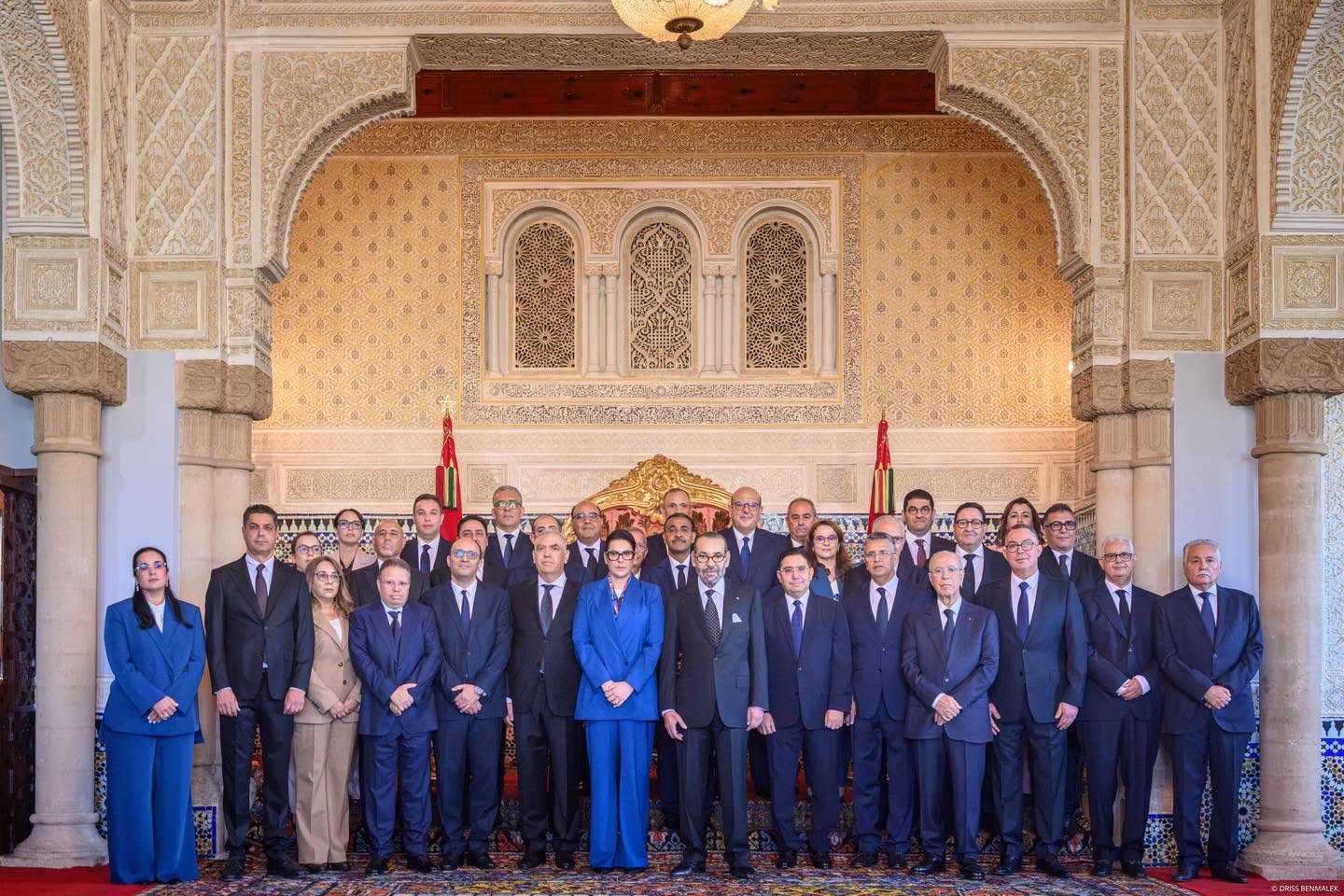
According to Morocco’s official news agency MAP and Reuters, King Mohammed VI presided over the appointment of the new government at the Royal Palace in Rabat on Friday, October 16, 2026. The cabinet was formed following the September 23 parliamentary elections, in which El Mansouri’s Authenticity and Modernity Party (PAM) emerged as the largest party in parliament.
El Mansouri, who was appointed head of government on September 29, becomes the first woman in Moroccan history to hold the position, succeeding Aziz Akhannouch, who had led the government since 2021.
Her appointment represents a significant moment in Morocco’s political development, as women move beyond participation in government and ministerial responsibilities to leadership of the executive for the first time.
A New Coalition Government
The new government brings together four political parties: the Authenticity and Modernity Party (PAM), the Istiqlal Party, the Party of Progress and Socialism (PPS), and the Socialist Union of Popular Forces (USFP).
Together, the coalition partners hold 207 seats in Morocco’s 395-member House of Representatives, exceeding the 198 seats required for an absolute majority.
The coalition brings together centrist, nationalist and left-wing political forces, reflecting the negotiations that followed the parliamentary elections.
Despite the change in government leadership, several senior ministers have retained their positions, indicating continuity in major areas of public policy.
Nasser Bourita remains Minister of Foreign Affairs, Abdelouafi Laftit continues as Minister of the Interior, and Abdellatif Ouahbi retains the Justice portfolio. Nizar Baraka also continues to oversee equipment, water and forests.
New Appointments in Economic and Social Ministries
One of the most notable appointments is Fouzi Lekjaa as Minister of Economy, Finance and Public Performance.
Lekjaa, who previously served as Minister Delegate responsible for the Budget and also heads Morocco’s football federation, will oversee public finances and the funding of major national development projects.
His appointment comes as Morocco continues preparations to co-host the 2030 FIFA World Cup with Spain and Portugal, an undertaking requiring significant investment in transport, stadiums and infrastructure.
The new government also marks the return of Nabil Benabdallah, Secretary-General of the Party of Progress and Socialism, who has been appointed Minister of National Education, Preschool Education, Vocational Training and Qualification.
Charafat Afailal has been appointed Minister of Energy, while Khalid Hatimi takes responsibility for Agriculture, Maritime Fisheries and Food Sovereignty.
These appointments place economic management, education, energy security and agriculture among the major areas in which the new administration will face practical challenges.
A Historic First for Moroccan Women
Fatima Ezzahra El Mansouri’s rise to the premiership represents an unprecedented milestone in the history of women’s political participation in Morocco.
A lawyer by training, El Mansouri previously served as mayor of Marrakech and held the portfolio of National Territory Planning, Urban Planning, Housing and City Policy.
She has also held senior leadership responsibilities within the Authenticity and Modernity Party, which emerged victorious from the latest parliamentary elections.
Her appointment follows decades of growing participation by Moroccan women in public life, from campaigns for political rights to greater representation in parliament, local government and ministerial positions.
For the first time, a woman has moved from holding responsibilities within the executive to leading the government itself.
The significance of this development extends beyond El Mansouri’s individual political career. It represents a new chapter in women’s representation at the highest levels of Moroccan political institutions.
The appointment also brings renewed attention to women’s participation in political decision-making and offers a new example for younger generations of Moroccan women aspiring to public leadership.
Economic and Social Expectations
The new government takes office at a time when Morocco faces significant domestic challenges.
Unemployment, particularly among young people, remains a major concern, alongside public demands for better healthcare, education and living conditions.
Morocco is also undertaking extensive infrastructure investments ahead of the 2030 FIFA World Cup, creating opportunities for economic development while raising questions about spending priorities and the distribution of economic benefits.
The government will need to balance large-scale investment with growing public expectations for improvements in essential services.
At the same time, the country must navigate global economic uncertainty, volatility in energy markets and changes in international trade.
These challenges will shape public expectations of the new administration and its ability to translate political change into tangible economic and social progress.
A New Chapter in Morocco’s Political History
The appointment of Fatima Ezzahra El Mansouri as head of government goes beyond a routine change in political leadership. It represents a historic first in Morocco’s long journey toward broader participation by women in political life.
After decades in which Moroccan women gained representation in parliament, elected councils and ministerial offices, a woman has now reached the country’s highest government position for the first time.
The significance of the moment is reinforced by El Mansouri’s path to office: her party emerged as the largest political force in the September elections, after which she led negotiations to establish a multiparty governing coalition.
While her government’s performance will ultimately be assessed through its response to economic and social challenges, her appointment will remain an important milestone in Morocco’s political history.
For the first time, a woman stands at the centre of Morocco’s official government portrait not simply as a cabinet minister, but as the leader of the government itself.
It is an image that captures a historic moment and symbolizes a new stage in the political advancement of Moroccan women.