





Asia remains one of the strongest engines of global economic growth. Yet the region’s latest outlook reveals a growing contradiction: artificial intelligence is creating extraordinary opportunities for some economies while energy shocks, debt and financial instability threaten others.
The International Monetary Fund’s October 15 assessment projects growth in Asia and the Pacific slowing from 5.0 percent in 2025 to 4.8 percent in 2026 and 4.4 percent in 2027. The IMF identifies energy disruptions, tighter financial conditions and the risk of a correction in AI-related investment among the region’s principal vulnerabilities.
Two economic realities
Asia’s economic performance increasingly reflects two different growth models.
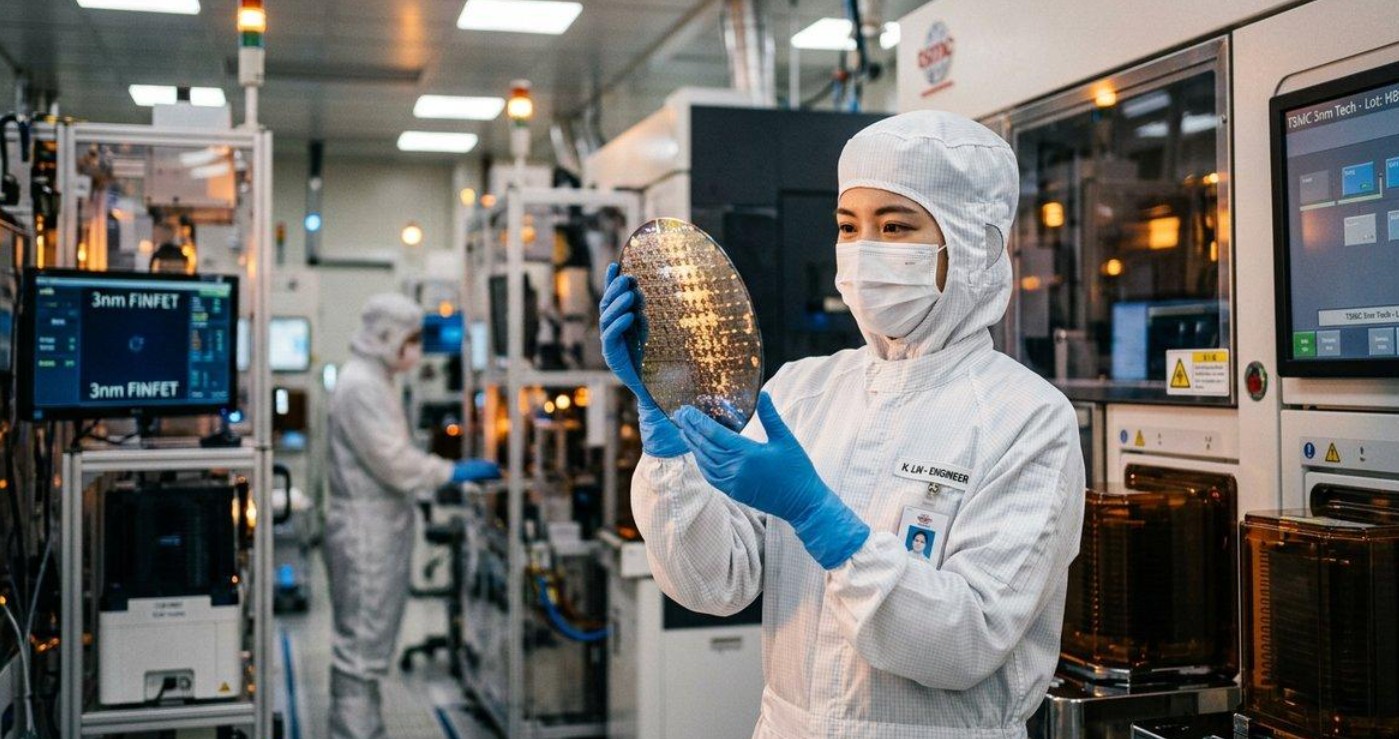
Economies deeply integrated into semiconductor manufacturing and advanced technology supply chains are benefiting from the global demand for AI infrastructure.
South Korea and Taiwan, for example, occupy important positions in the production of memory chips and advanced semiconductors.
Other economies, particularly those dependent on imported energy and traditional manufacturing, face higher production costs and weaker domestic purchasing power.
This divergence means that strong technology exports can coexist with deteriorating conditions for households and smaller businesses.
It also explains why regional growth figures alone may conceal substantial economic inequality.
The energy shock
The conflict in the Middle East has exposed Asia’s dependence on energy supplies transported through strategically vulnerable maritime routes.
Higher oil and gas prices affect electricity generation, transportation, industrial production and household spending.
For energy-importing economies, the consequences can be especially difficult. Rising import bills weaken trade balances, increase inflationary pressure and reduce the resources available for investment.
Governments may respond with subsidies, but extensive support programmes can increase fiscal deficits at a time when borrowing costs are already elevated.
The result is a difficult policy trade-off between protecting consumers today and maintaining financial stability tomorrow.
AI investment: opportunity and concentration risk
Artificial intelligence represents a second source of vulnerability.
The technology boom has generated demand for advanced chips, data centres, electrical equipment and digital infrastructure.
These investments have supported exports and strengthened economic activity in parts of Asia.
But the benefits are concentrated in a limited number of industries and companies.
If investors begin questioning whether AI spending can generate sufficient commercial returns, capital expenditure could slow sharply.
Such a correction would not necessarily signal the end of AI development. It could, however, expose economies that have become unusually dependent on a single source of export growth.
The distinction matters: technological progress can continue even while financial markets reassess the value of the companies supplying it.
Debt and the cost of capital
Asia’s third challenge is financial.
Higher global bond yields and restrictive monetary policies in major economies can increase borrowing costs for governments and businesses.
Countries with high debt burdens have less flexibility to respond to energy shocks or weaker growth.
They may face pressure to reduce spending just as households and companies need additional support.
The IMF’s emphasis on targeted assistance reflects this dilemma. Temporary help for vulnerable groups can be more sustainable than broad subsidies that benefit higher-income consumers as well.
Why the slowdown matters beyond Asia
Asia’s outlook has global implications because the region occupies a central position in international manufacturing and trade.
A slowdown in Asian demand can affect commodity exporters, shipping companies and manufacturers across several continents.
Conversely, disruptions in Asian technology production can raise costs for businesses dependent on semiconductors, electronics and digital infrastructure.
Canada is not insulated from these developments.
Canadian exporters depend on global demand for energy, minerals, agricultural products and industrial materials. Canadian technology businesses and manufacturers also rely on international supply chains that extend across Asia.
A sharp adjustment in AI investment or a prolonged energy shock could therefore influence Canadian business costs and investment decisions.
The next phase of Asian growth
The central question is not whether Asia will remain economically important. It will.
The question is whether the region can broaden the foundations of its growth beyond a concentrated technology boom while strengthening resilience against external shocks.
More diversified supply chains, sustainable public finances, energy security and productivity improvements will matter as much as semiconductor exports.
The IMF’s latest projections are therefore more than a warning about slower growth. They are a reminder that economic strength depends not only on how rapidly an economy expands, but also on how widely its gains are shared and how well it withstands disruption.