





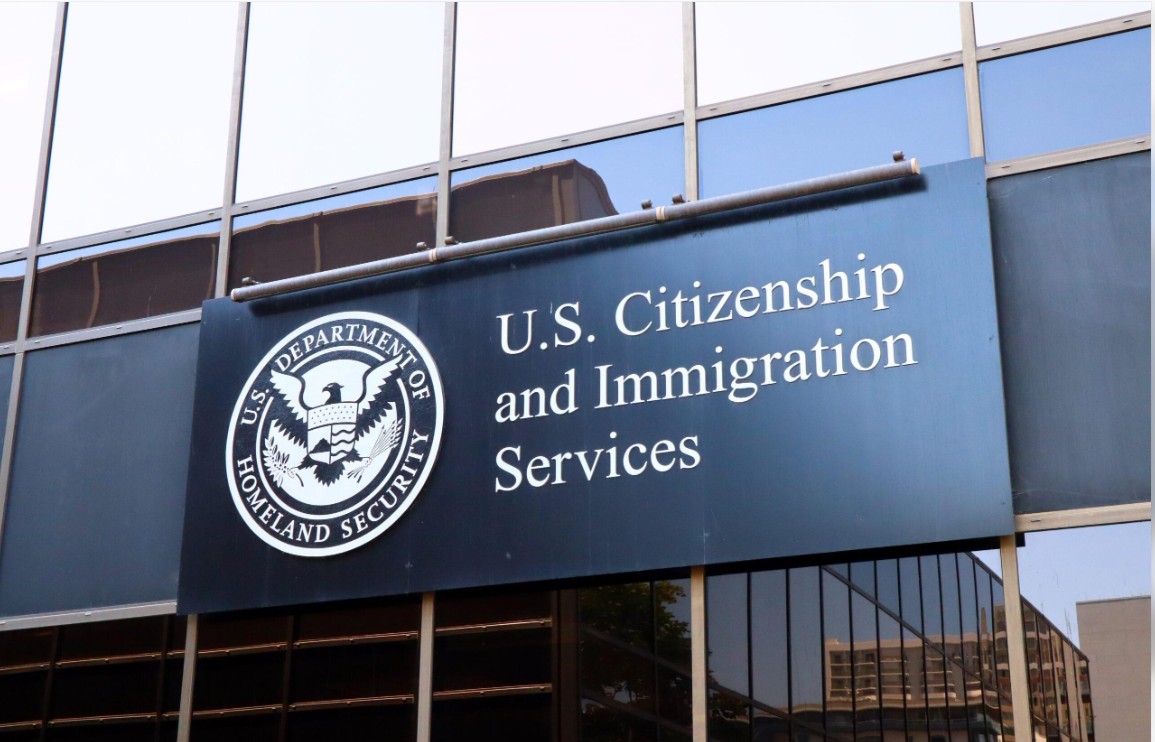
WASHINGTON — The United States has suspended a key employment-based immigration process for eight major technology and IT services companies, including Microsoft and Adobe, in a move that could disrupt the path to permanent residency for thousands of skilled foreign workers.
The Trump administration announced the restrictions on October 8, citing suspected misuse of immigration programs and concerns about the displacement of American workers.
The companies affected are Microsoft, Adobe, Cognizant, Infosys, Tata Consultancy Services, Wipro, HCL Technologies and Capgemini.
The suspension applies to the Permanent Labor Certification Program, commonly known as PERM, which allows employers to take an essential step toward sponsoring foreign employees for employment-based green cards.
Labor Secretary Keith Sonderling said the Department of Labor would stop accepting new permanent labor certification applications involving the named companies and would also halt the processing of pending applications.
The announcement does not mean that existing green cards have been revoked or that all foreign employees at the affected companies have lost their authorization to work in the United States.
It also does not directly cancel existing H-1B visas, which allow American employers to hire qualified foreign professionals for specialized occupations.
However, the restrictions could create significant uncertainty for employees who rely on their employers to sponsor their transition from temporary immigration status to permanent residence.
Under the PERM process, employers generally must demonstrate that hiring a foreign worker for a permanent position will not adversely affect the wages or working conditions of similarly employed American workers.
An approved labor certification is normally followed by additional immigration filings before a worker can obtain a green card. Approval at one stage does not guarantee permanent residency.
Vice President JD Vance defended the government’s action, arguing that major technology companies should give greater priority to American workers.
Federal officials have alleged that some employers misused skilled-worker immigration programs while reducing their domestic workforces. Those allegations remain subject to investigation and should not be treated as established findings against every company named.
Microsoft has defended its employment practices, saying it pays H-1B workers comparably to other employees performing similar work. The company has also emphasized that most of its H-1B petitions concern existing employees rather than new arrivals.
The restrictions come amid a broader tightening of U.S. employment-based immigration policy, including increased scrutiny of employer sponsorship and the use of temporary skilled-worker visas.
The administration also announced investigations involving nine universities, including Harvard, Yale and Stanford, over allegations concerning exchange-visitor visa programs.
For foreign professionals working in the United States, the immediate implications depend on their employer, immigration status and the stage of any pending permanent residency application.
Employees whose applications are affected may need to consult their employer’s immigration team or a qualified immigration lawyer before making decisions about employment changes, travel or visa renewals.
The government has not provided a definitive timetable for lifting the company-specific suspensions.
The developments highlight growing uncertainty surrounding employment-based immigration in the United States, particularly for international technology professionals whose long-term plans depend on employer sponsorship.