




Iran has described the latest United States response to its proposal for reopening the Strait of Hormuz as insufficient, underscoring the difficulties facing diplomatic efforts to end the regional conflict and restore normal shipping through one of the world’s most important energy corridors.
Mohsen Rezaei, secretary of Iran’s Supreme National Security Council, said on Sunday, October 11, that Washington had accepted some of Tehran’s conditions but had failed to clarify others.
Iran presented a seven-condition proposal during the United Nations General Assembly, offering to restore normal maritime passage through the strait within seven days if its demands were met.
The American response was subsequently delivered through Qatari intermediaries, who have been involved in attempts to bridge differences between the two countries.
According to Rezaei, Tehran will not agree to further negotiations or reopen the waterway to the United States until its conditions are satisfied.
He also indicated that Iran was no longer engaged in responding to the latest American communication.
The White House did not immediately respond to a Reuters request for comment on the Iranian official’s remarks.
The dispute comes after months of conflict following US and Israeli attacks on Iran in late February. Fighting has disrupted energy production, tanker movements and commercial shipping across the Gulf.
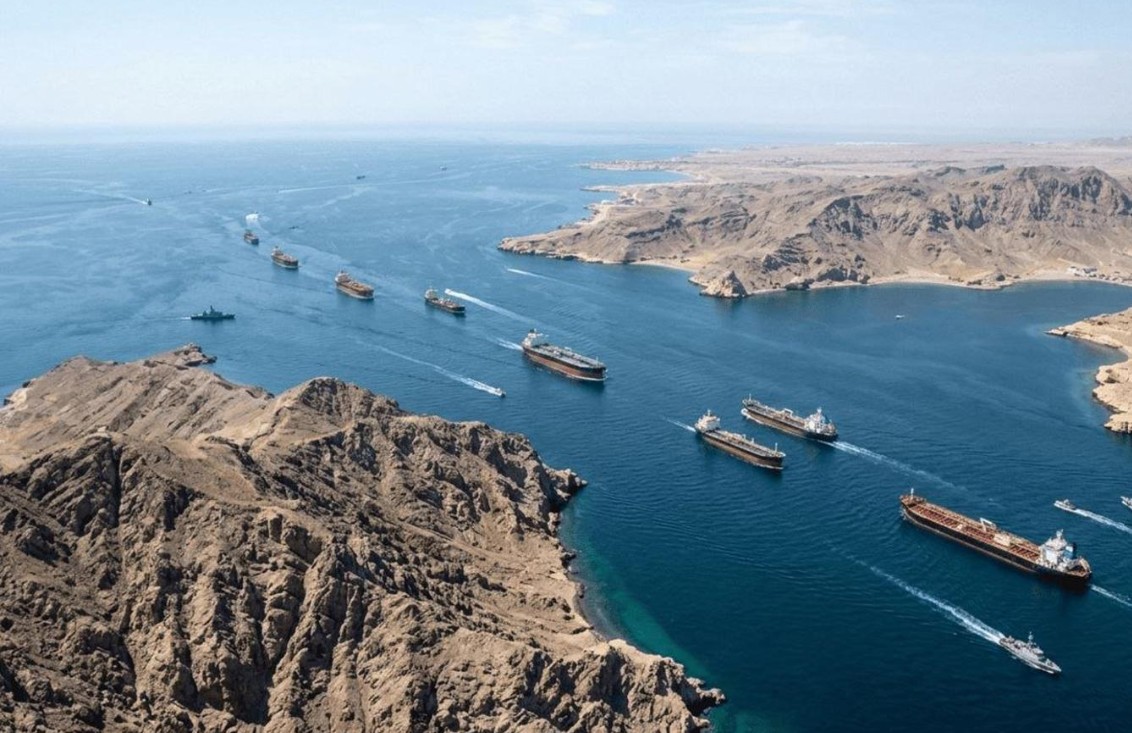
Before the war, approximately one-fifth of the world’s oil and liquefied natural gas supplies passed through the Strait of Hormuz, making the waterway critical to international energy markets.
Although some maritime traffic has resumed, renewed attacks on tankers and uncertainty over safe passage continue to complicate shipping operations.
Qatar and other regional intermediaries have sought to facilitate communication between Washington and Tehran, but the latest exchange suggests that substantial differences remain over the conditions for ending the conflict.
The Iranian statement does not necessarily mean that diplomacy has permanently collapsed. However, it indicates that the parties have yet to reach a mutually acceptable framework for restoring normal maritime access.
For energy-importing countries, the prolonged uncertainty raises concerns about oil prices, shipping costs and the stability of global supply chains.
The next diplomatic steps will depend on whether the United States and Iran can clarify their outstanding disagreements and whether regional mediators can establish a basis for renewed negotiations.