




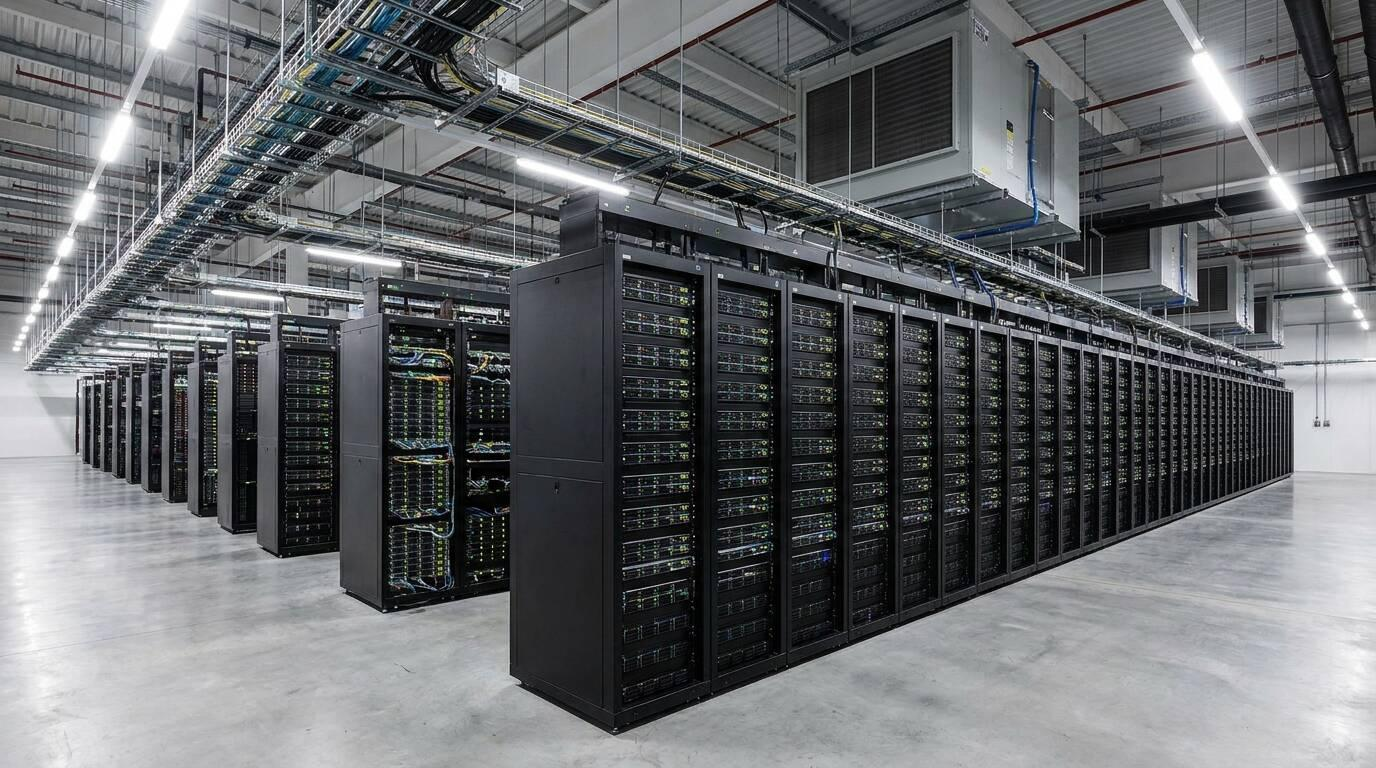
Russia has introduced new requirements obliging privately owned data centres to reserve part of their computing capacity for national information technology infrastructure, in a move that highlights the growing strategic importance of digital facilities during periods of conflict.
According to Reuters, President Vladimir Putin signed a decree on Monday, November 2, requiring private data-centre operators to set aside 10% of their capacity for potential government-directed use.
The measure is designed to provide authorities with additional computing resources when essential digital services face disruption.
Under the decree, Russia’s Digital Development Ministry must prepare an inventory of available data-centre capacity and facilities across the country.
A special government commission will be able to instruct operators to make the reserved resources available when required.
Operators must provide access to the designated capacity within 24 hours of receiving an instruction.
Digital Infrastructure Becomes a Security Priority
The decision follows reports of attacks affecting Russian data-centre infrastructure.
Reuters reported that facilities operated by major technology companies, including Yandex and Sberbank, were targeted during Ukrainian drone attacks in October.
The incidents have drawn attention to the vulnerability of digital systems supporting communications, financial services and other essential activities.
Unlike conventional infrastructure, data centres depend on uninterrupted electricity, cooling systems, telecommunications and physical security.
Damage to these facilities can affect services far beyond the buildings themselves.
What the New Rules Require
The decree establishes a mechanism for authorities to identify and mobilize privately operated computing resources.
By requiring operators to maintain a reserve, the government aims to increase its ability to respond quickly to emergencies.
The rules also permit temporary use of data-centre facilities located outside Russia, subject to approval from the Federal Security Service, known as the FSB.
The financial and operational implications for private operators have not been fully detailed in the Reuters report.
Companies may need to consider how the reserve requirement affects their commercial commitments and infrastructure planning.
A Wider Debate Over Digital Sovereignty
The Russian decision illustrates how governments increasingly regard computing infrastructure as a strategic national resource.
Data centres support banking, telecommunications, public administration, cloud computing and artificial intelligence.
As dependence on these systems grows, their security and availability become matters of national economic and political importance.
However, requiring private companies to reserve resources for state use also raises questions about costs, business autonomy and government control over digital infrastructure.
The decree places Russia among countries exploring stronger state oversight of strategically important technology assets.
Its practical impact will depend on how frequently the reserved capacity is activated and how the requirements are implemented.
For the technology industry, the development is another indication that data-centre policy is becoming closely connected to national security.