




By CACTV News Desk
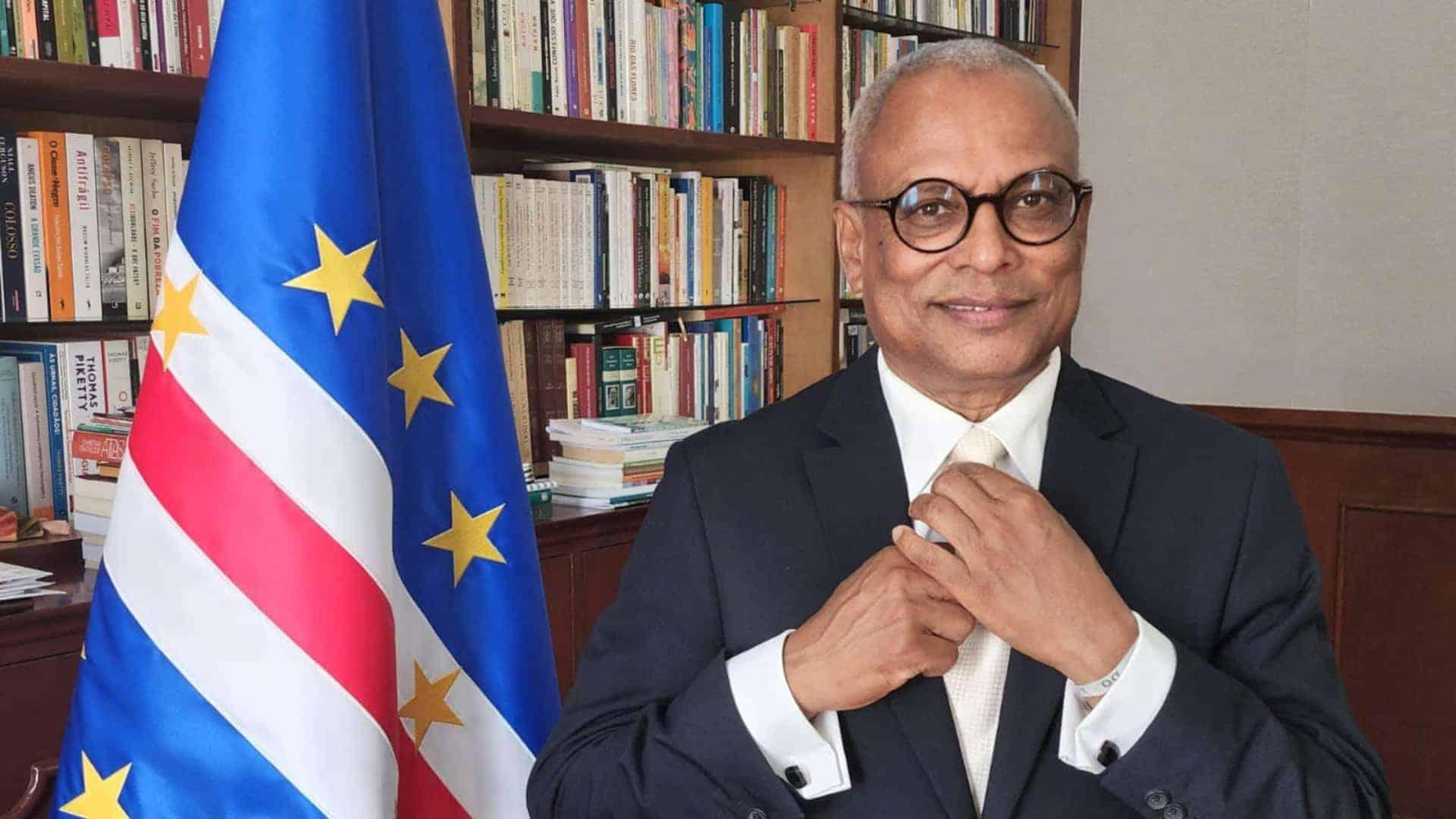
Cape Verde President José Maria Neves has secured a second five-year term following Sunday’s presidential election, winning a decisive majority in a vote dominated by concerns over unemployment, rising living costs and youth emigration.
According to Reuters, provisional results released on Monday, November 16, showed Neves receiving 63.8% of the vote, based on returns from 97% of polling stations. His main challenger, former justice minister Joana Rosa, secured 31.6% and conceded defeat.
The result allows Neves to avoid a second round of voting, having exceeded the majority required to win the presidency outright.
A Historic Presidential Contest
The election featured six candidates, including Rosa, who became the first woman to run for president in Cape Verde’s history.
Representing the centre-right Movement for Democracy, Rosa campaigned on tackling corruption, improving employment opportunities and strengthening political accountability.
Although her campaign fell short of securing the presidency, her candidacy marked a significant milestone for women’s political participation in the Atlantic island nation.
Neves, 66, previously served as prime minister for 15 years before becoming president in 2021. He belongs to the centre-left African Party for the Independence of Cape Verde.
His reelection follows the party’s victory in parliamentary elections earlier this year.
Low Turnout Raises Concerns
Despite the clear electoral outcome, voter participation emerged as a major concern.
The Associated Press reported that turnout stood at just 31.7% of approximately 418,000 registered voters.
Neves suggested that emigration, population movements within the country and outdated electoral records may have contributed to the low participation rate.
The president has pledged to examine the issue, while electoral modernization could become an important subject of political debate during his second term.
Jobs and Emigration Remain Major Challenges
Cape Verde, an archipelago off the coast of West Africa, has built a reputation for political stability and peaceful transfers of power.
However, the country continues to face significant economic challenges, including unemployment, high living costs and limited opportunities for young people.
Many Cape Verdeans have moved abroad in search of employment, particularly to Portugal and the United States.
The creation of sustainable employment opportunities and improvements in living standards were central themes throughout the presidential campaign.
Neves has pledged to support efforts to raise wages, reduce poverty and promote inclusive economic growth.
A Stable Democracy Facing Economic Pressures
Under Cape Verde’s political system, the prime minister directs government policy and exercises most executive authority, while the president retains constitutional powers, including the ability to veto legislation.
Neves’s reelection therefore provides continuity at the head of state, but addressing the country’s economic challenges will require cooperation with the government and other political institutions.
Official election results are expected later this week.
For Cape Verde, the outcome reinforces its record of competitive elections while highlighting a broader challenge: translating democratic stability into better economic opportunities for its citizens.