




Rethinking the United Nations Security Council and the Power of the Veto
By Adam Saiid| Investigative Journalist
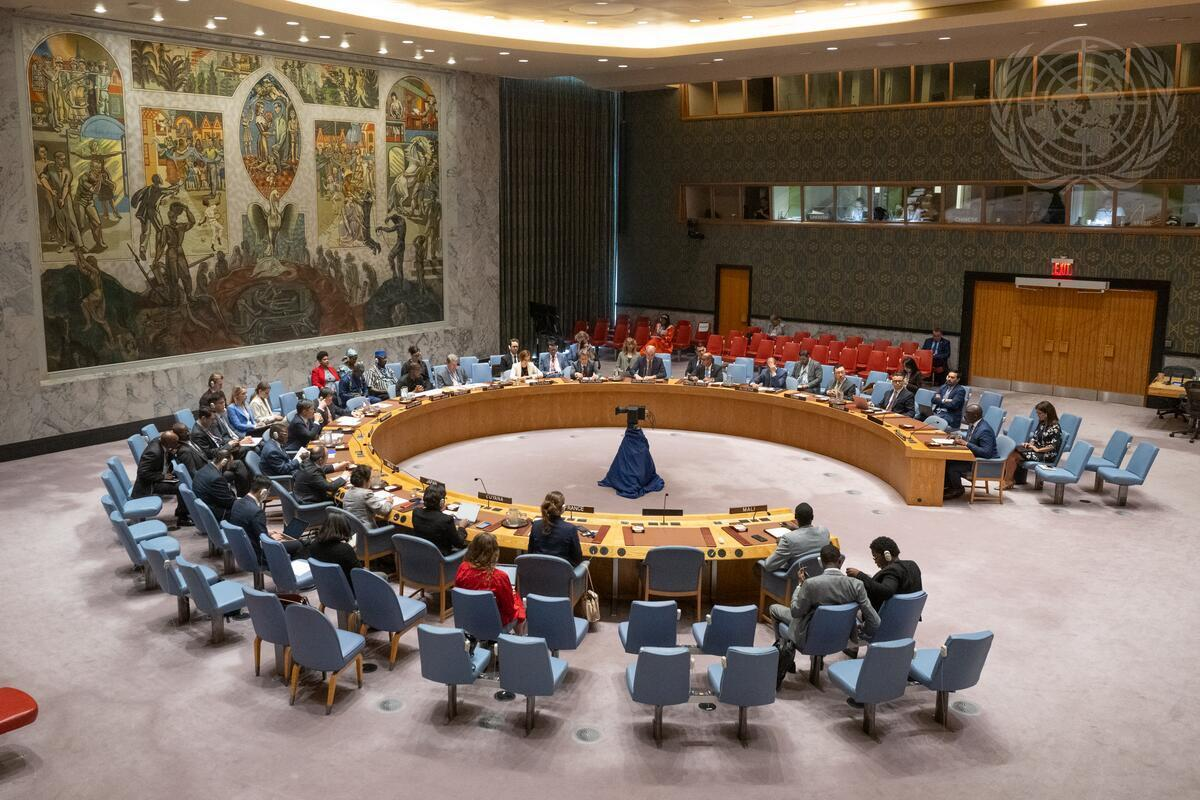
Since the establishment of the United Nations in 1945, five countries—the United States, Russia, China, France and the United Kingdom—have held permanent seats on the UN Security Council, each with the extraordinary power to veto substantive resolutions.
This arrangement was created in the aftermath of the Second World War to maintain international peace and prevent another global catastrophe. However, more than 80 years later, the world has changed dramatically, while this special voting privilege remains largely untouched.
Today, international conflicts continue to expose a fundamental weakness in the system: a single permanent member can prevent the Security Council from taking action, even when the other 14 members support a resolution.
This raises an important question: Should the security and future of the entire world remain subject to the political interests of just five powerful nations?
A Proposal for a More Equal United Nations
One possible reform would be to abolish the individual veto power and introduce a two-thirds majority voting system for substantive Security Council resolutions.
Under this proposal:
All 15 Security Council members would have equal voting rights.
At least 10 votes would be required to approve a resolution.
No single country could independently block a decision.
The collective position of the Council would carry greater weight than the privilege of an individual permanent member.
Such a reform would not guarantee that every decision would be fair or effective. However, it would remove the extraordinary ability of one country to prevent collective action.
The Challenge of Reform
Changing the existing system would be difficult. Under Article 108 of the UN Charter, amendments require approval by two-thirds of the General Assembly and ratification by two-thirds of UN member states, including all five permanent Security Council members.
In other words, the five countries whose privileges would be affected must also agree to the reform.
That is precisely why this debate deserves international attention.
A Question for the World
The United Nations was founded on the principle of collective international cooperation. Its mission is to maintain peace, protect international security and provide a forum where nations can resolve disputes.
The world of 2026 is not the world of 1945. International power, economic influence and global responsibilities have changed.
It is time to seriously examine whether the UN Security Council should reflect today’s international community rather than preserve the privileges established after the Second World War.
Should international peace and security be decided by the collective majority of nations rather than the individual veto privileges of five powerful countries?
This is not simply a question about institutional reform. It is a question about fairness, accountability and the future of international governance.
Canada Arab Press— Bringing Global Issues into Public Discussion.