





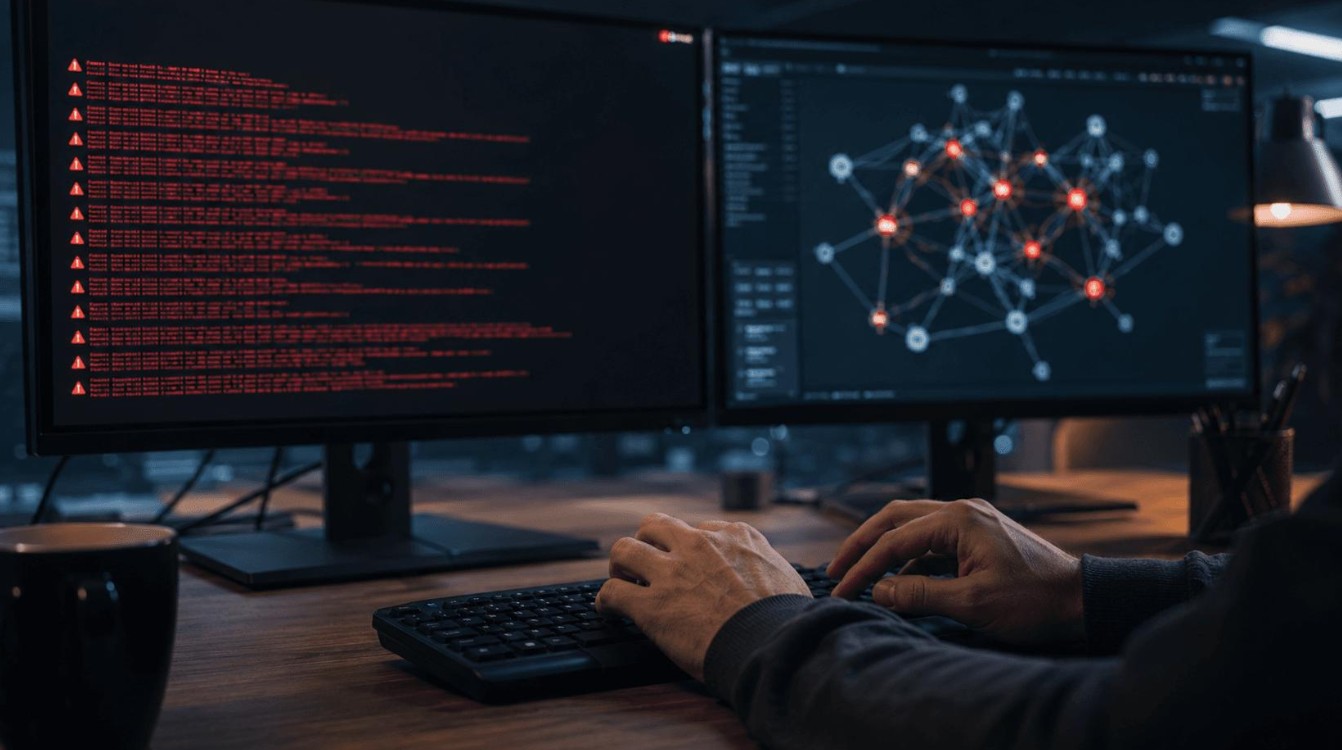
Companies and financial institutions in Japan and South Korea are strengthening their cybersecurity defences following a wave of attacks that experts say illustrates how artificial intelligence is changing the scale and sophistication of online crime.
Nine South Korean banks and two large churches have been investigating cyberattacks that may have involved AI-assisted tools, while Japanese companies including Daiwa Securities, SoftBank and Lawson have also experienced recent security incidents.
Investigators have not established the precise role of artificial intelligence in every case. However, cybersecurity specialists warn that AI can help attackers identify software vulnerabilities, automate malicious activities and develop more convincing phishing messages.
The technology may also enable individuals with limited technical expertise to conduct operations that previously required more advanced skills.
In Japan, cybersecurity company TrendAI recorded 86 incidents in September, an increase of approximately 18% from August and 37% from July. Its figures indicate that incidents during the first nine months of 2026 exceeded the total recorded throughout 2025.
South Korea reported 1,236 cyber incidents during the first half of 2026, a 20% increase compared with the same period a year earlier.
Government data showed particularly sharp increases in distributed denial-of-service attacks and ransomware incidents.
Cybersecurity firm CrowdStrike said a suspected attacker based in China had likely used AI tools during a campaign targeting South Korean banks. The company’s assessment suggested that AI assistance helped compensate for the attacker’s limited technical capabilities.
These findings do not establish that all recent attacks in either country involved artificial intelligence.
The growing threat has prompted action from regulators.
South Korea’s Financial Services Commission instructed financial industry bodies and relevant institutions to carry out a cybersecurity self-assessment covering 12 areas.
In Japan, government ministries have begun coordinating their response, while the National Cybersecurity Office plans to issue additional warnings to businesses.
Security experts say stolen personal information could later be used in phishing emails, fraudulent text messages and other scams, even when an initial breach does not immediately result in substantial financial losses.
The developments highlight a broader challenge for governments and companies: defensive systems must evolve as rapidly as the tools available to cybercriminals.
With artificial intelligence increasingly embedded in everyday business operations, protecting financial networks, customer information and critical services has become an urgent priority across both countries.