





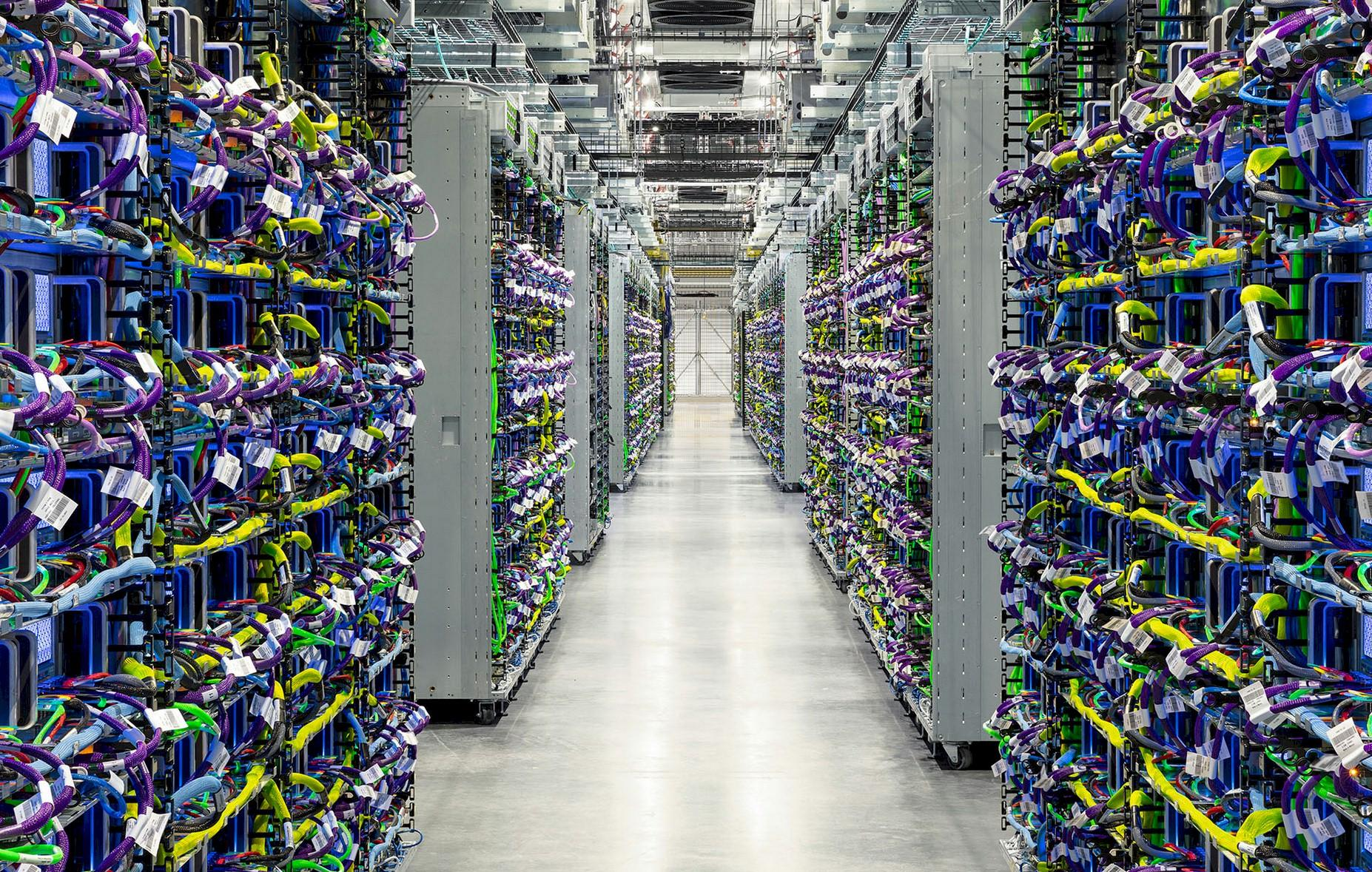
Google’s growing business in artificial intelligence chips is helping drive rapid expansion at its cloud division, but the strategy is also creating new financial pressures as parent company Alphabet spends heavily on data centres and computing infrastructure.
According to Reuters reporting published Thursday, October 29, Google’s proprietary tensor processing units, known as TPUs, have become an increasingly important commercial product as companies seek alternatives to Nvidia’s graphics processors for artificial intelligence workloads.
Originally developed primarily for Google’s internal systems, the chips are now being offered to external customers as part of integrated computing platforms.
The expansion is contributing to strong demand for Google Cloud services, but it also requires Alphabet to commit substantial capital before receiving payment from customers.
Google’s Challenge to Nvidia
Nvidia has become a dominant supplier of the advanced processors used to train and operate artificial intelligence systems.
Google is seeking to expand its position in the same market by offering its own chips alongside networking equipment, storage and specialized software.
Rather than simply renting computing capacity through its cloud platform, Google is increasingly supplying complete systems designed for demanding AI applications.
This creates a new source of potential revenue while strengthening Google’s role in the infrastructure supporting the AI industry.
However, the business model is more capital-intensive than many of Google’s traditional digital services.
Why Cash Flow Matters
Selling complete AI computing systems requires Google to purchase components, build inventory and expand physical infrastructure before customers make their payments.
That means revenue growth does not necessarily translate immediately into stronger cash flow.
Alphabet’s finance chief, Anat Ashkenazi, has acknowledged that unsold systems are tying up capital while the company continues investing in data centres.
Investors are increasingly examining this distinction between reported earnings and the cash companies retain after funding their operations and investments.
The concern has become more significant as major technology companies commit unprecedented sums to artificial intelligence infrastructure.
Following its latest financial results, Alphabet’s shares fell sharply as investors assessed the scale of its spending and its implications for future profitability.
Cloud Demand Continues to Grow
Despite the financial pressure, Google’s AI infrastructure business is attracting major customers.
The company has announced a substantial agreement to supply TPU technology to Anthropic, the developer of the Claude AI assistant.
Google Cloud executives expect sales of these specialized computing systems to increase further, with a significant expansion anticipated in 2027.
The company has not publicly disclosed the revenue or profit margins generated specifically by its TPU business.
That makes it difficult for outside investors to determine how profitable the new hardware strategy may eventually become.
A Wider Test for the AI Industry
Google’s experience illustrates a challenge confronting the entire artificial intelligence sector.
Demand for computing power continues to expand, creating opportunities for chip manufacturers, cloud providers and data-centre operators.
Yet meeting that demand requires enormous upfront investment in equipment, electricity, facilities and technical expertise.
Companies must therefore demonstrate not only that their AI products can attract customers, but also that their business models can generate sustainable returns.
For Alphabet, the next phase of growth will depend on converting strong cloud demand into financial performance that justifies its expanding infrastructure commitments.
The outcome could influence how investors assess the broader AI industry, particularly as competition between established technology companies and specialized chip suppliers intensifies.