




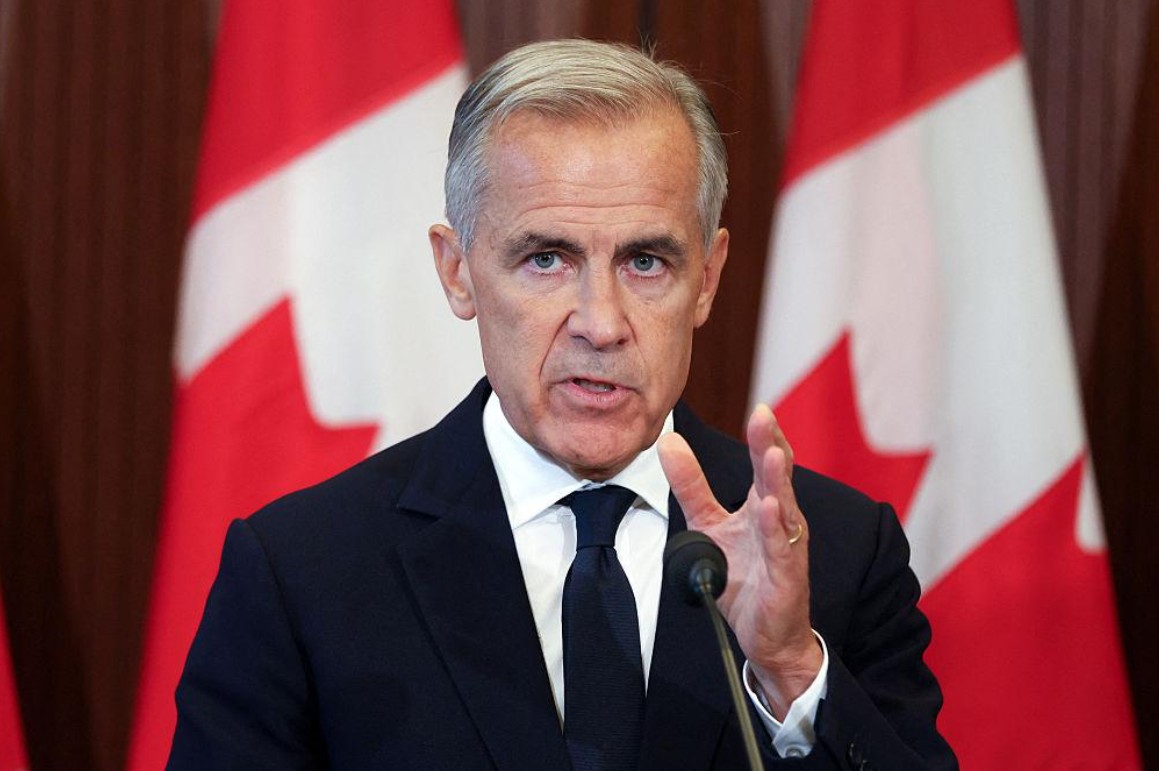
Canadian Prime Minister Mark Carney has rejected allegations that Canada is attempting to interfere in the upcoming United States congressional elections, adding another point of tension to relations between the two neighbouring countries.
According to Reuters reporting on October 23, the dispute followed comments from American diplomatic officials concerning Canadian political messaging and its potential influence on the November 3 midterm elections. Carney rejected the suggestion that Canada was seeking to influence the American electoral process.
The disagreement comes against a backdrop of trade tensions between Ottawa and Washington, particularly over tariffs and access to the US market.
Canada has been defending its economic interests while attempting to maintain a working relationship with its largest trading partner.
The controversy highlights the increasingly sensitive boundary between international trade advocacy and domestic political debate.
Canadian officials have repeatedly argued that defending the country’s economic interests is a legitimate responsibility of government.
For Washington, however, foreign-government messaging aimed at American audiences can become politically contentious during an election campaign.
The episode could complicate diplomatic discussions at a time when both governments face pressure from businesses and workers affected by trade restrictions.
Despite the dispute, the economic relationship remains deeply integrated. Canadian and American companies depend on cross-border supply chains in sectors including automotive manufacturing, energy and agriculture.
The immediate challenge for both governments is to prevent political disagreements from further disrupting trade negotiations.
With the US midterm elections approaching, statements from both sides are likely to receive heightened scrutiny.
The longer-term significance of the dispute will depend on whether it remains a disagreement over political messaging or begins to affect substantive economic negotiations.