





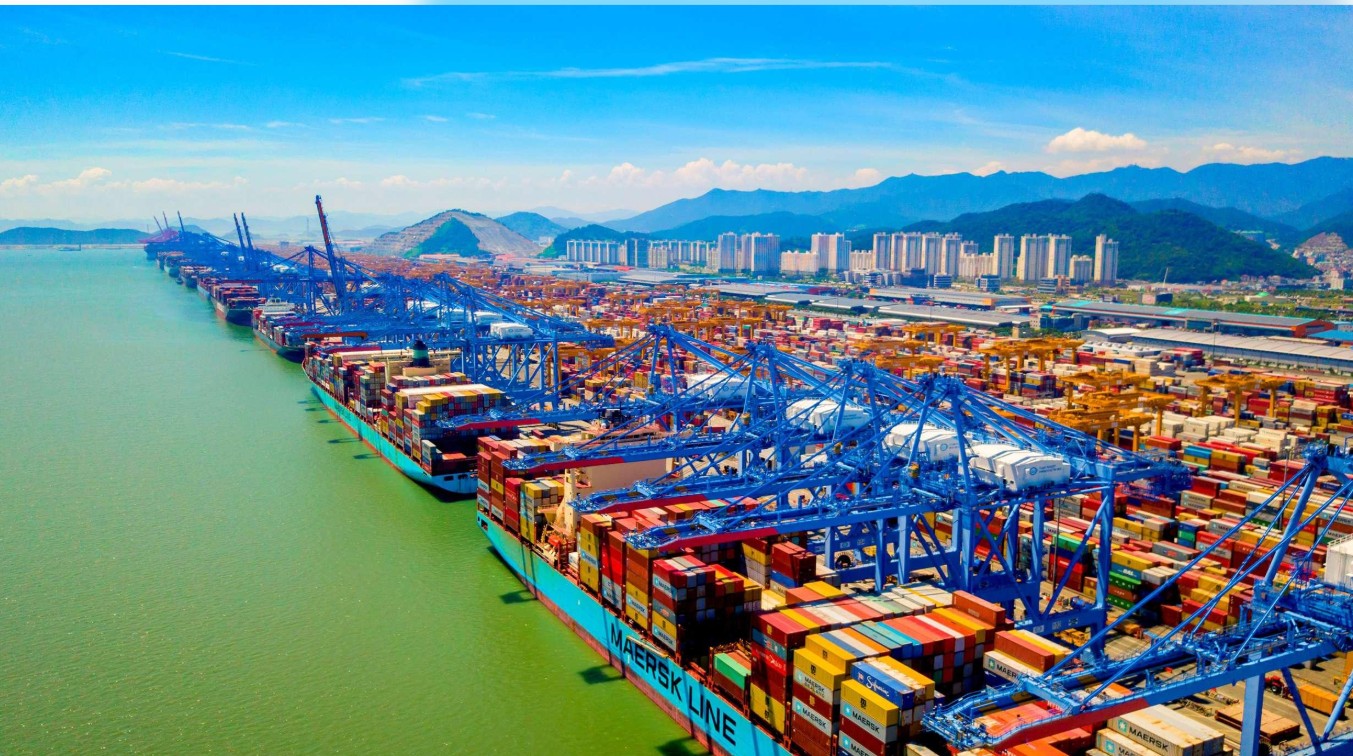
SEOUL — A South Korean container ship returned to the port of Busan on Sunday, October 11, completing the country’s first commercial round trip to Europe through the Arctic and marking a significant step in its ambitions to develop new international shipping routes.
The vessel, PanStar Acro, docked in the southeastern port 50 days after departing on August 22, according to South Korean authorities.
The voyage demonstrated the potential of Arctic waters as an alternative commercial connection between East Asia and Europe, particularly as traditional maritime routes face disruption and rising costs.
South Korean officials estimate that using the Arctic passage could reduce typical shipping times by approximately one-third, although actual savings depend on weather, ice conditions and the destination.
The government hopes that developing Arctic shipping services will strengthen Busan’s position as an international maritime hub and create opportunities for the country’s shipping and logistics industries.
However, operating in the Arctic involves significant challenges. Seasonal ice, unpredictable weather, limited emergency infrastructure and environmental risks make the route more complex than established shipping corridors.
Commercial use also depends on the availability of ice-capable vessels and the cost of insurance, navigation and specialized maritime support.
The voyage comes as Asian shipping companies and governments examine ways to diversify trade routes amid geopolitical tensions and disruptions affecting international transport.
For South Korea, one of the world’s major exporting economies, reliable maritime connections are essential to trade in manufactured goods, machinery and other products.
The successful return of PanStar Acro provides practical experience for future operations, but it does not mean that regular year-round Arctic shipping services are ready to begin.
Authorities will need to evaluate the voyage’s costs, operational performance and safety requirements before determining whether a permanent commercial service is viable.
The development also raises broader questions about how climate change, international competition and environmental protection will shape the future of Arctic navigation.