




The United Kingdom and the European Union have reached a series of agreements aimed at reducing trade barriers, expanding opportunities for young people and strengthening economic cooperation, marking a significant development in relations a decade after the Brexit referendum.
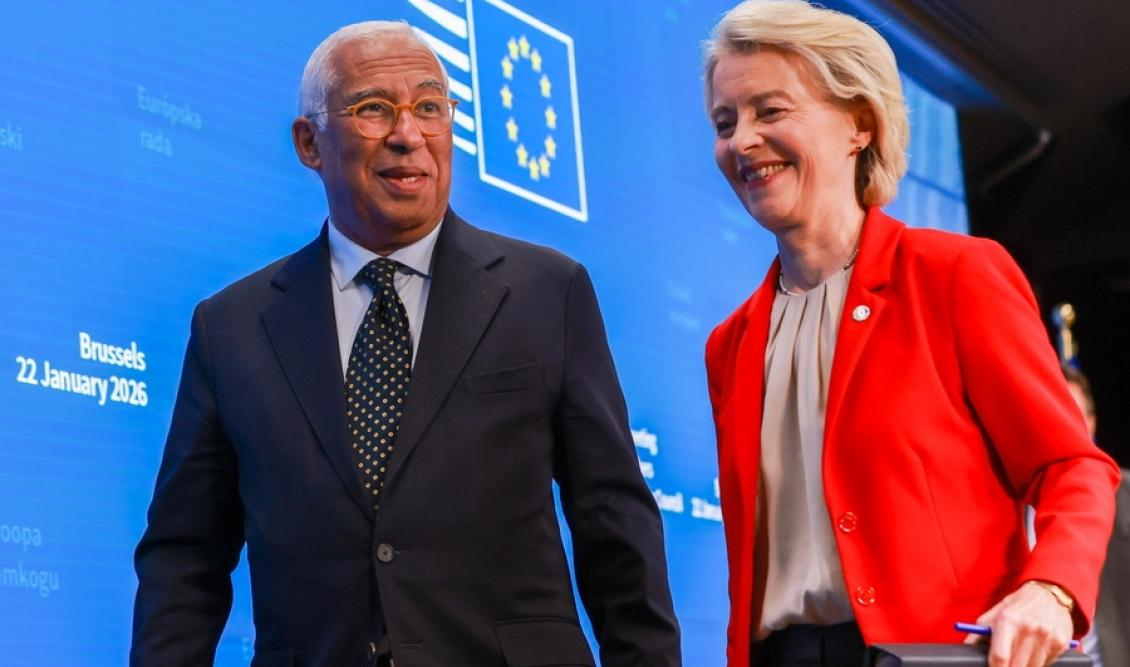
The agreements were announced following a summit in Brussels on Friday, November 20, attended by British Prime Minister Andy Burnham, European Commission President Ursula von der Leyen and European Council President António Costa.
According to Reuters, the arrangements cover agricultural trade, youth mobility and the linking of emissions trading systems, with both sides seeking to reduce some of the economic costs associated with Britain’s departure from the European Union.
The agreements represent an effort to improve cooperation without reversing Brexit or restoring Britain’s membership in the EU single market and customs union.
Removing Barriers to Agricultural Trade
One of the most economically significant agreements concerns the movement of agricultural and food products between Britain and the European Union.
Under the new arrangements, businesses trading products such as meat, dairy, fruit, vegetables and plants will benefit from the removal of several certificates and border controls introduced after Brexit.
The British government estimates that the agricultural trade agreement could add approximately £5.1 billion annually to the country’s economy.
The changes are expected to reduce administrative expenses for exporters and importers, particularly smaller businesses that have faced additional paperwork and inspection costs.
According to Reuters, export health certificates currently cost businesses approximately £150 to £250 per consignment in some categories of agricultural trade.
The new arrangements are scheduled to take effect in March 2028, giving businesses and regulatory authorities time to prepare for implementation.
New Opportunities for Young Europeans
The summit also produced an agreement to establish a youth mobility programme allowing young British and European citizens to study, work and live in each other’s countries.
The programme is expected to cover up to 100,000 participants annually from each side, initially targeting people aged 18 to 31.
Eligible participants would be permitted to stay for up to three years, with the programme scheduled for introduction by January 2030.
The initiative could create new opportunities for graduates, young professionals and students seeking international experience.
However, questions remain over university tuition fees.
European officials have sought more favourable treatment for EU students attending British universities, while the British government has proposed reduced fees rather than automatically granting the same rates paid by domestic students.
Both sides have agreed to continue discussions and seek a resolution within six months.
Cooperation on Carbon Markets
Another major component of the agreement involves linking British and European emissions trading systems.
The arrangement is intended to reduce additional carbon-related costs for companies exporting energy-intensive products between the two markets.
Britain estimates that the agreement could contribute approximately £3.8 billion annually to its economy.
Industries including steel and aluminium could benefit from reduced exposure to overlapping carbon charges.
The agreement comes as both sides seek to balance industrial competitiveness with commitments to reduce greenhouse gas emissions.
A New Political Chapter After Brexit
Speaking after the summit, Prime Minister Burnham described the agreements as an opportunity to rebuild economic and political ties damaged by years of disagreement following Brexit.
European leaders also welcomed the outcome as evidence of renewed cooperation between London and Brussels.
Nevertheless, the agreements have attracted criticism from political figures who argue that closer regulatory alignment could reduce Britain’s independence in determining its economic policies.
Supporters maintain that reducing trade barriers and improving cooperation can deliver economic benefits without requiring Britain to rejoin the European Union.
The summit also addressed security, defence cooperation and irregular migration, reflecting the broader strategic interests shared by Britain and its European neighbours.
What Happens Next?
Although political agreements have been reached, several measures will require further legal and administrative steps before becoming operational.
Businesses will therefore need to monitor implementation schedules rather than assume that all new arrangements take effect immediately.
For the United Kingdom and the European Union, the summit marks a shift toward a more cooperative relationship.
Whether the agreements deliver their projected economic benefits will depend on their implementation, the response of businesses and the ability of both sides to resolve outstanding differences.