





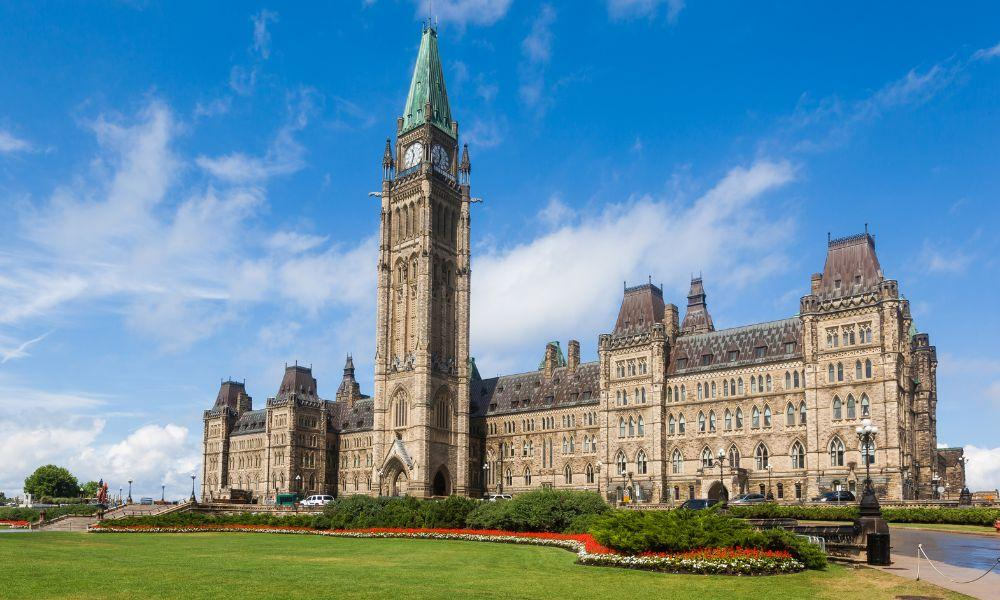
OTTAWA, November 20, 2026 — Canada’s House of Commons has approved the federal government’s 2026 budget by a vote of 162 to 151, giving Prime Minister Mark Carney’s administration a significant parliamentary victory as it seeks to strengthen the economy amid trade tensions with the United States.
The vote, held Thursday, November 19, followed the presentation of the budget by Finance Minister François-Philippe Champagne on November 5. The spending plan includes substantial investments in infrastructure, industrial development and measures intended to stimulate business investment.
According to The Canadian Press, Liberal lawmakers applauded as the Speaker announced the result, marking a significant moment for a government seeking to advance its economic agenda.
The vote reflects a changed parliamentary landscape. Unlike the previous year, when the Liberal government depended on support or abstentions from opposition lawmakers, the governing party now holds a majority in the House of Commons following byelections and changes in party affiliation.
Billions in Planned Investment
The 2026 budget, titled Masters of Our Destiny, proposes approximately C$142.1 billion in new spending and tax measures over multiple years.
The government projects a federal deficit of C$62.3 billion for the 2026–27 fiscal year, alongside total spending of approximately C$603 billion.
The proposed measures focus on infrastructure construction, productivity, energy development and industrial competitiveness.
Ottawa also intends to encourage private investment through tax incentives, including measures allowing businesses to immediately deduct certain qualifying capital expenditures.
The government argues that these investments are necessary to strengthen Canada’s economic resilience and reduce its vulnerability to international trade disruptions.
Opposition Questions Borrowing Strategy
Despite the parliamentary approval, opposition parties have raised concerns about the scale of federal borrowing.
Conservative Leader Pierre Poilievre has criticized the government’s fiscal approach, arguing that additional borrowing could impose costs on Canadians without adequately addressing affordability pressures.
Parliamentary Budget Officer Annette Ryan has also examined the government’s borrowing projections, identifying fiscal risks while indicating that Ottawa remains narrowly on track to meet its stated fiscal targets.
Finance Minister Champagne has defended the budget as an investment in Canada’s future, arguing that the country’s fiscal position provides room to support economic growth while assisting households.
The debate reflects competing approaches to economic policy, particularly over whether the government should prioritize investment or faster deficit reduction.
Reducing Dependence on the United States
The budget comes at a time of heightened uncertainty in Canada-U.S. economic relations.
Trade restrictions and tariff disputes have increased pressure on Canadian manufacturers and exporters, prompting Ottawa to explore ways to diversify its international commercial partnerships.
Carney’s government has identified stronger trade relationships with Europe and Asia as part of its longer-term economic strategy.
The budget also includes measures aimed at expanding domestic industrial capacity, supporting energy projects and strengthening Canada’s defence industry.
These initiatives are intended to attract investment and create opportunities for Canadian businesses beyond traditional export markets.
Parliamentary Approval Is Not the Final Step
Although the House of Commons approved the government’s overall budgetary policy, the vote does not automatically make every proposed measure law.
The government must introduce budget implementation legislation, which will undergo parliamentary examination, committee review and additional votes.
Individual measures may therefore be amended or delayed before they take effect.
For Canadian households and businesses, the practical impact of the budget will depend on how quickly the government implements its proposed programs and whether the anticipated investments generate measurable economic benefits.
The approval gives Carney’s government greater political room to pursue its fiscal strategy, but questions about borrowing, affordability and economic growth are likely to remain central to Canada’s economic debate.