




Canada is facing renewed economic uncertainty as trade negotiations with the United States remain stalled, raising concerns about the future of Canadian manufacturing, automotive jobs and cross-border supply chains.
According to Reuters, which cited sources familiar with a closed-door meeting of a Canadian advisory committee on economic relations with the United States, Canada’s minister responsible for Canada-U.S. trade, Dominic LeBlanc, indicated that Washington had shown little flexibility since negotiations broke down in August.
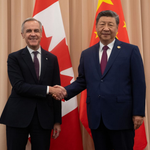
Prime Minister Mark Carney’s government is seeking an interim agreement that would ease some of the tariffs affecting Canadian exports, particularly in manufacturing sectors heavily dependent on access to the American market.
The discussions have become increasingly urgent amid concerns that U.S. tariffs on Canadian automotive products could rise to 50 percent in January 2027.
LeBlanc’s office confirmed that the minister had briefed the advisory committee on the status of negotiations and reiterated Ottawa’s commitment to reaching an agreement that protects Canadian economic interests.
However, the government provided no further details about the substance of the discussions or whether a breakthrough was imminent.
Automotive Industry Under Pressure
The automotive sector remains particularly vulnerable to prolonged trade tensions because Canadian and American manufacturers operate through highly integrated production networks.
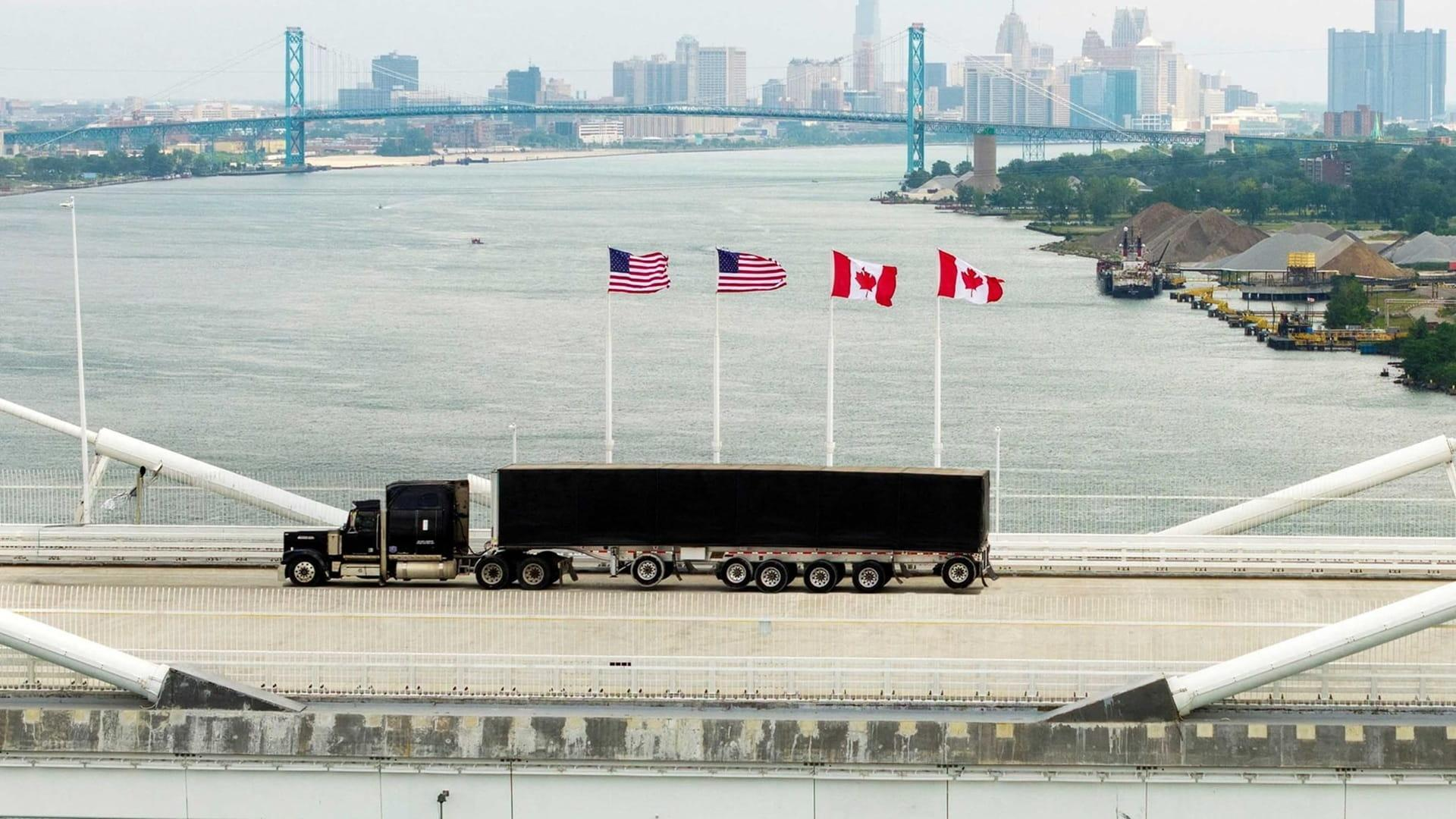
Vehicles and automotive components frequently cross the border several times during production, making additional tariffs a potentially significant burden for manufacturers on both sides.
Industry representatives have warned that higher trade barriers could increase production costs, undermine competitiveness and force companies to reconsider investment and employment decisions.
For Canadian automotive communities, the consequences could extend beyond assembly plants to parts suppliers, logistics companies and local businesses dependent on manufacturing activity.
The uncertainty also complicates long-term planning for companies deciding where to locate future production facilities and invest in new technologies.
Negotiations Remain Difficult
LeBlanc has continued discussions with U.S. Commerce Secretary Howard Lutnick and U.S. Trade Representative Jamieson Greer in an effort to narrow differences over tariffs and other trade restrictions.
The disagreements extend beyond automobiles to steel and lumber, two industries that play an important role in Canada’s export economy.
Earlier attempts to negotiate tariff relief during October failed to produce a comprehensive agreement.
Despite political developments in Washington following the November 3 midterm elections, sources cited by Reuters suggested that the American negotiating position had not substantially changed.
For Ottawa, the challenge is to defend Canadian industrial interests while maintaining stable economic relations with its largest trading partner.
Economic Stakes for Canada
The United States remains Canada’s most important export destination, making developments in bilateral trade policy particularly consequential for Canadian businesses and workers.
Continued uncertainty could discourage investment, disrupt manufacturing supply chains and place additional pressure on industries already adjusting to changing global trade conditions.
Canadian officials must also balance immediate demands for tariff relief with longer-term efforts to diversify export markets and reduce economic dependence on the United States.
As the beginning of 2027 approaches, manufacturers and workers will be watching closely for signs of progress.
Whether Ottawa and Washington can reach an agreement before further tariff increases take effect remains an important question for the Canadian economy.