




Questions are growing over the independence of a US government agency responsible for evaluating advanced artificial intelligence systems after reports that its staff have been asked to communicate informally with the White House.
According to an Associated Press investigation published on November 8, officials at the Center for Advancing Innovation and Standards for Super Intelligence, known as CAISSI, have been asked to report informally to a White House office.
The arrangement has raised concerns among some researchers and former officials about the independence of federal AI safety evaluations.
A Critical Agency Without Permanent Leadership
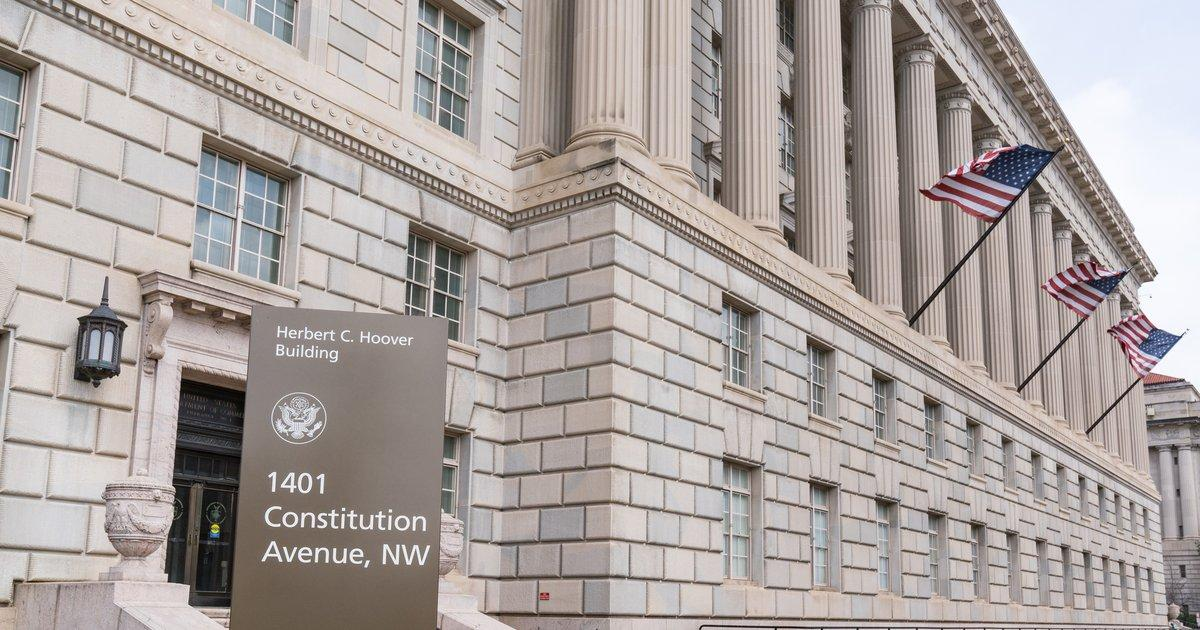
CAISSI operates within the US Department of Commerce and is responsible for work related to evaluating advanced artificial intelligence systems.
The agency has experienced leadership changes and does not currently have a permanent director.
The Associated Press also reported that the agency had stopped publishing its research, raising questions about transparency and public access to safety findings.
Its annual budget is approximately $10 million, substantially smaller than that of the United Kingdom’s corresponding AI safety institution.
Why Independent Testing Matters
Advanced AI systems are increasingly capable of performing tasks with limited human supervision.
These systems may interact with software, retrieve information and carry out complex sequences of actions.
Independent evaluations can help identify risks that may not be apparent from a system’s final output alone.
Researchers argue that examining how AI systems reach decisions is increasingly important as the technology becomes more autonomous.
White House Defends Its Approach
The Trump administration has emphasized American leadership in advanced artificial intelligence.
The White House has promoted a new initiative described as the Super Intelligence Force and has encouraged technology companies to strengthen voluntary safety practices.
Supporters of closer White House involvement argue that it could increase the visibility and resources available for AI safety work.
Critics, however, fear that political priorities could influence technical assessments or reduce transparency.
Technology Companies and Public Accountability
Major AI developers have established their own safety testing procedures and have also worked with external evaluators.
However, the scope of independent access can vary.
This has prompted debate over whether government institutions should have stronger authority to assess systems before or after deployment.
The issue extends beyond technology companies to public services, cybersecurity, privacy and consumer protection.
What Comes Next?
The central question is whether the federal government can maintain credible, technically independent oversight while pursuing rapid AI development.
Clear reporting arrangements, adequate resources and public disclosure of evaluation findings could help address concerns.
For the United States, the debate reflects a broader challenge: maintaining technological leadership while ensuring that increasingly powerful AI systems remain subject to meaningful scrutiny.