




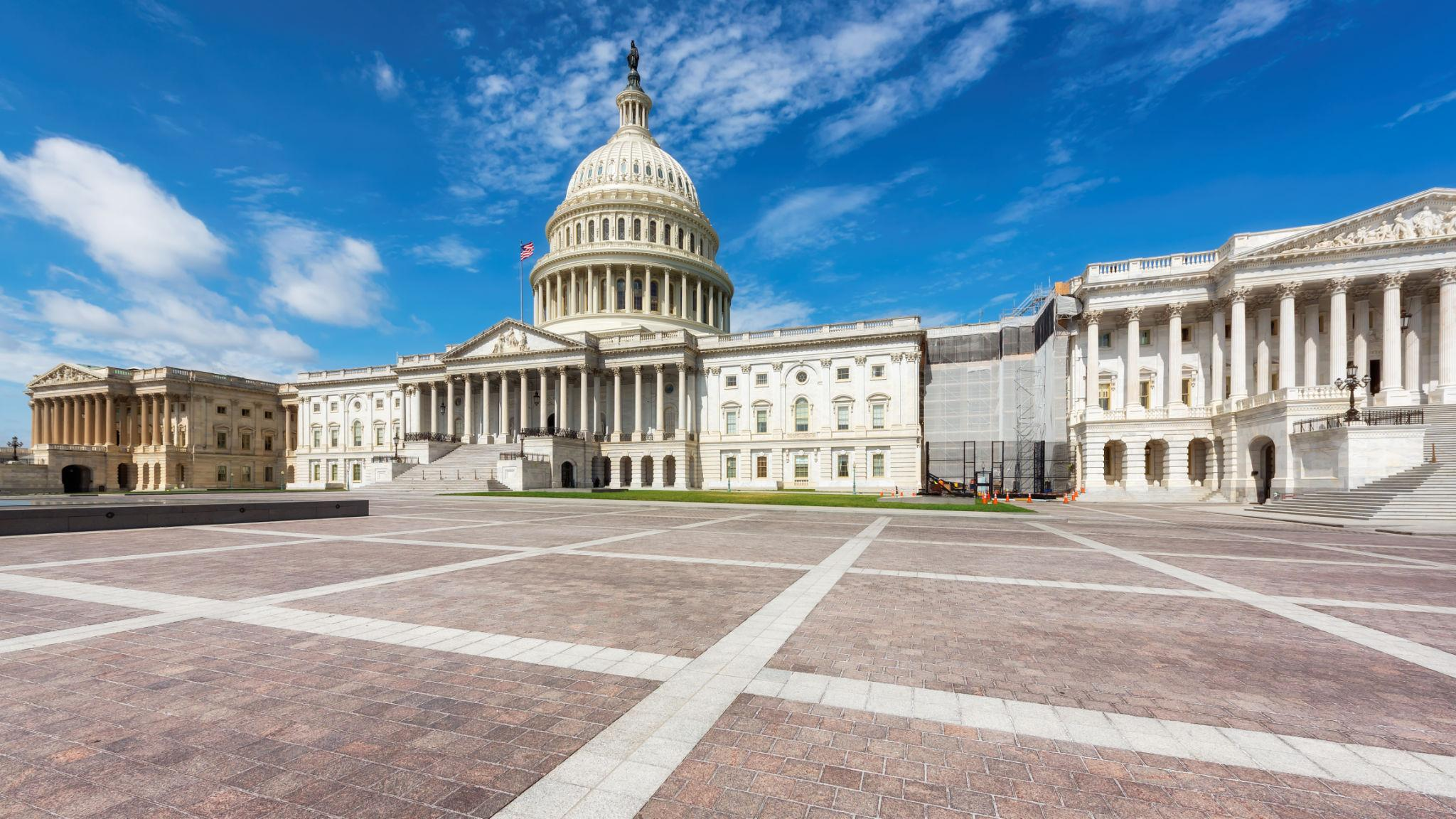
WASHINGTON, November 6, 2026 — The Democratic Party’s victory in the US midterm elections has fundamentally changed the political balance in Washington, giving the opposition control of both chambers of Congress and setting the stage for major confrontations with President Donald Trump over economic policy, government spending and trade.
According to Reuters reports published on November 4, Democrats secured control of the House of Representatives and the Senate in Tuesday’s elections, ending Republican control of Congress and opening a new period of divided government.
The results represent a significant political setback for Trump, whose administration has faced growing criticism over living costs, tariffs and the economic consequences of the war involving Iran.
A New Balance of Power in Washington
With Democrats controlling both chambers of Congress, the White House will face greater scrutiny and more difficult negotiations over legislation and federal spending.
Congress has significant authority over government funding, taxation and borrowing, giving lawmakers important tools to influence economic policy.
However, the president retains executive powers in areas including trade and foreign policy.
This means the election results will not automatically reverse tariffs or other measures introduced by the administration.
Instead, Washington could enter a period of prolonged negotiations and political deadlock.
Tariffs and Trade Policy Under Pressure
One of the most closely watched issues will be the future of US tariffs.
Trump’s trade policies have affected international supply chains and raised costs for businesses importing goods into the United States.
Companies in Europe and Asia told Reuters that the Democratic victory was unlikely to provide immediate relief from existing tariffs.
Much of the administration’s trade agenda has relied on executive authorities that do not require direct congressional approval.
Although lawmakers could attempt to change trade legislation, such efforts would face political and legal obstacles.
The uncertainty is particularly important for major US trading partners, including Canada.
Artificial Intelligence Faces Greater Scrutiny
The election results could also influence the regulatory environment for artificial intelligence.
Major technology companies have invested heavily in data centres, advanced computing equipment and AI infrastructure.
Democratic control of Congress could bring stronger oversight of technology companies, including questions about energy consumption, environmental impacts and the economic consequences of AI expansion.
Financial markets reacted cautiously to the election results as investors assessed the potential implications for technology regulation and corporate profitability.
Government Spending and the Risk of Deadlock
Federal spending will be another major area of disagreement.
Democrats will have greater influence over budget negotiations, while the Republican administration will retain the presidency.
Reuters reported that the next federal funding deadline is December 11, creating an early test of the relationship between Congress and the White House.
Failure to reach an agreement could increase the risk of a government shutdown.
The two parties will also face difficult discussions about federal debt, public spending and the economic outlook.
What Comes Next?
The new congressional balance is likely to reshape Washington’s political agenda over the next two years.
Democrats will have greater opportunities to investigate administration policies and influence federal legislation.
Trump, meanwhile, will retain substantial executive authority and the ability to veto legislation.
For American businesses and international partners, the central question is whether divided government will encourage negotiation or produce further policy uncertainty.
The midterm elections have changed who controls Congress, but the economic consequences will depend on how both parties use their powers.