





BRUSSELS, October 12, 2026 — The European Union has established a new security support mission in Lebanon to strengthen the country’s military and internal security institutions, as uncertainty grows over the future of the United Nations peacekeeping presence in southern Lebanon.
The decision, adopted by EU foreign ministers on Monday, creates the European Union Support Mission in Lebanon (EUSM Lebanon) under the bloc’s Common Security and Defence Policy. The mission will have an initial mandate of three years and will combine military and civilian advisory and training activities.
According to the Council of the European Union, the initiative aims to reinforce Lebanon’s ability to control its territory, secure its borders and strengthen state institutions, in line with United Nations Security Council Resolution 1701.
The military component will provide training and technical assistance to the Lebanese Armed Forces, focusing on border surveillance, maritime security, intelligence gathering, counter-smuggling operations and coordination between security agencies.
The civilian component will support Lebanon’s Internal Security Forces through specialized training in combating cybercrime and smuggling. It will also contribute to improving port security management, including at the Port of Beirut.
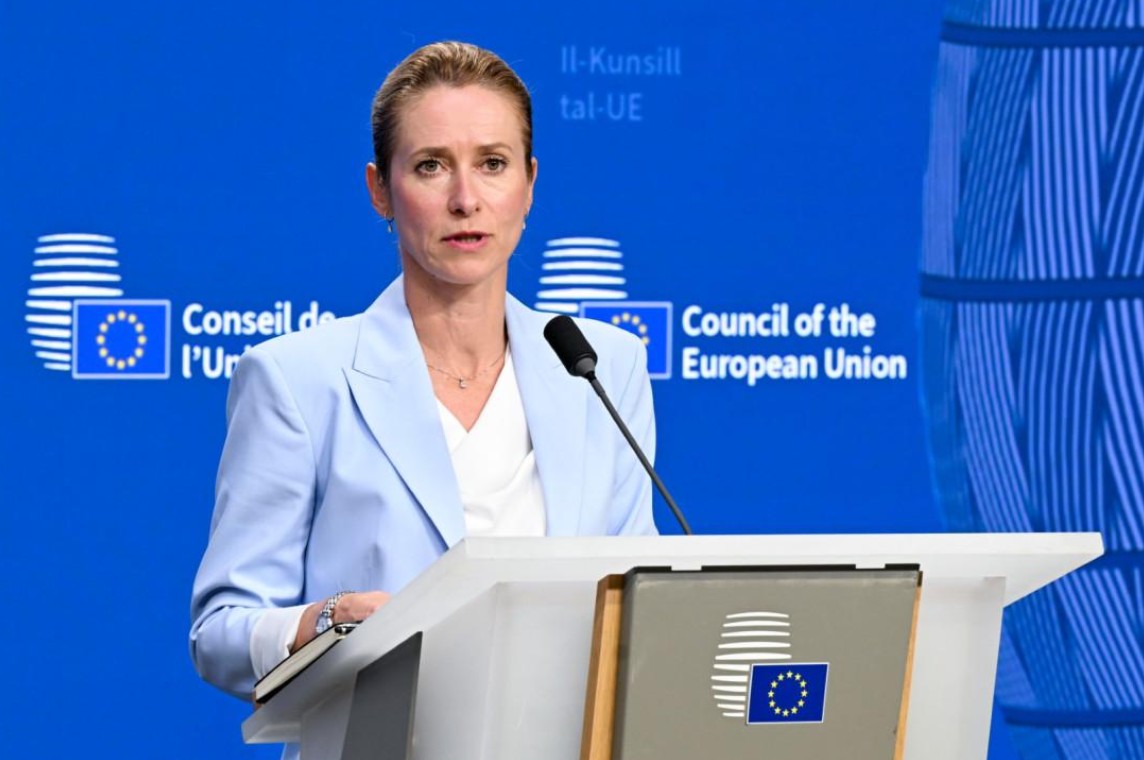
EU foreign policy chief Kaja Kallas described the initiative as an important development in Europe’s security relationship with Lebanon, emphasizing the bloc’s commitment to strengthening Lebanese institutions and supporting long-term stability.
The decision comes as the United Nations Interim Force in Lebanon (UNIFIL) approaches the expiration of its mandate at the end of 2026, with a phased withdrawal expected to follow.
European officials have stressed that the new EU mission is not intended to replace UNIFIL. Instead, it is designed to strengthen Lebanon’s own security institutions and their capacity to assume greater responsibilities.
The mission also forms part of broader European assistance to Lebanon’s armed forces, including support provided through the European Peace Facility.
Although the mission has now been formally established, deployment has not yet begun. Operational planning will continue, and the Council of the European Union must adopt a separate decision before the mission becomes operational.
The initiative reflects an expanding European role in supporting Lebanon’s security institutions at a time of continuing regional tensions and uncertainty over the country’s long-term stability.