





Higher oil revenues are providing Canada with additional economic support, but economists are warning that increased income from energy exports should not distract the federal government from the risks associated with rising spending commitments and future budget deficits.
According to Reuters reporting on November 5, economists urged Prime Minister Mark Carney’s government to demonstrate fiscal restraint as it prepared its second federal budget.
The warnings came amid growing concerns about affordability, borrowing costs and the financial implications of major defence and infrastructure commitments.
Higher Oil Revenue Offers Relief
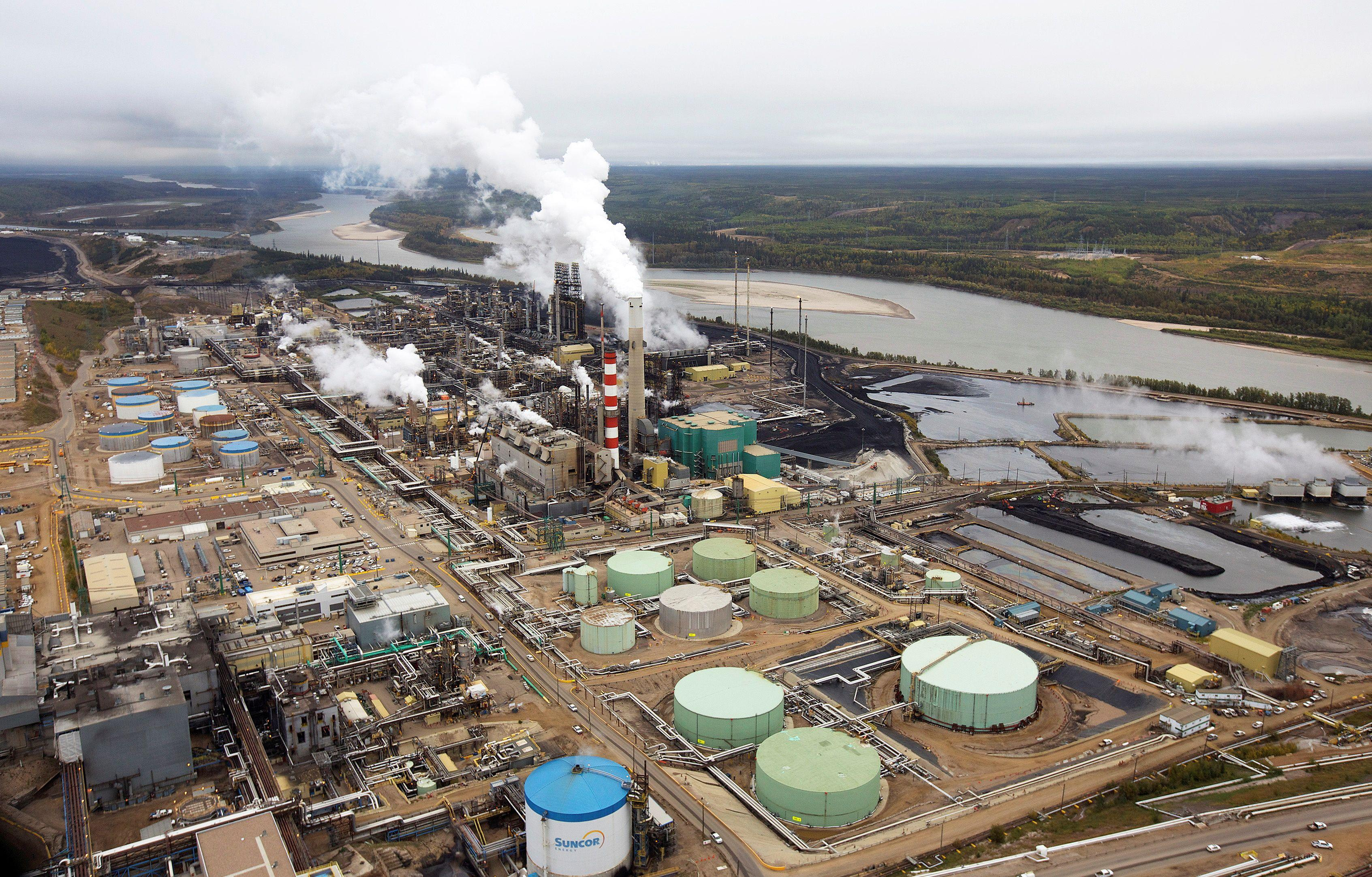
Canada is one of the world’s largest oil producers, making energy prices an important factor in export revenues and economic performance.
Higher prices can support Canadian producers and government revenues.
However, the same energy-price increases can create difficulties for households and businesses through more expensive fuel and transportation.
This creates a complicated economic environment in which some sectors benefit while consumers face additional pressure.
Defence and Infrastructure Commitments
Carney’s government has outlined ambitious plans for defence spending and infrastructure investment.
Its stated defence objectives include increasing spending to 4% of gross domestic product by 2030 and 5% by 2035.
The government has also promoted major investment initiatives intended to strengthen economic growth and improve Canada’s long-term competitiveness.
Economists have questioned how these commitments can be financed while maintaining sustainable public finances.
Protecting Fiscal Credibility
Canada’s strong sovereign credit ratings are important because they help support investor confidence and relatively favourable borrowing conditions.
Larger deficits and higher public debt could eventually increase financing costs.
Economists have therefore called for greater clarity about the timing, financing and expected economic benefits of government spending.
The government has also identified fiscal targets intended to limit the growth of deficits relative to the size of the economy.
Affordability Remains Central
For Canadian households, the immediate concerns include food prices, housing costs, energy bills and mortgage payments.
Government spending decisions may influence economic activity, but they also affect borrowing requirements and fiscal flexibility.
The challenge is to support growth and public services without creating unsustainable financial pressures.
A Long-Term Economic Test
Canada’s oil revenues provide an important economic advantage, particularly during periods of elevated international energy prices.
Yet commodity revenues can fluctuate substantially.
The central fiscal question is whether the government can use current economic opportunities to support investment while keeping future spending and debt under control.
That balance will be important for Canada’s economic stability in the years ahead.