




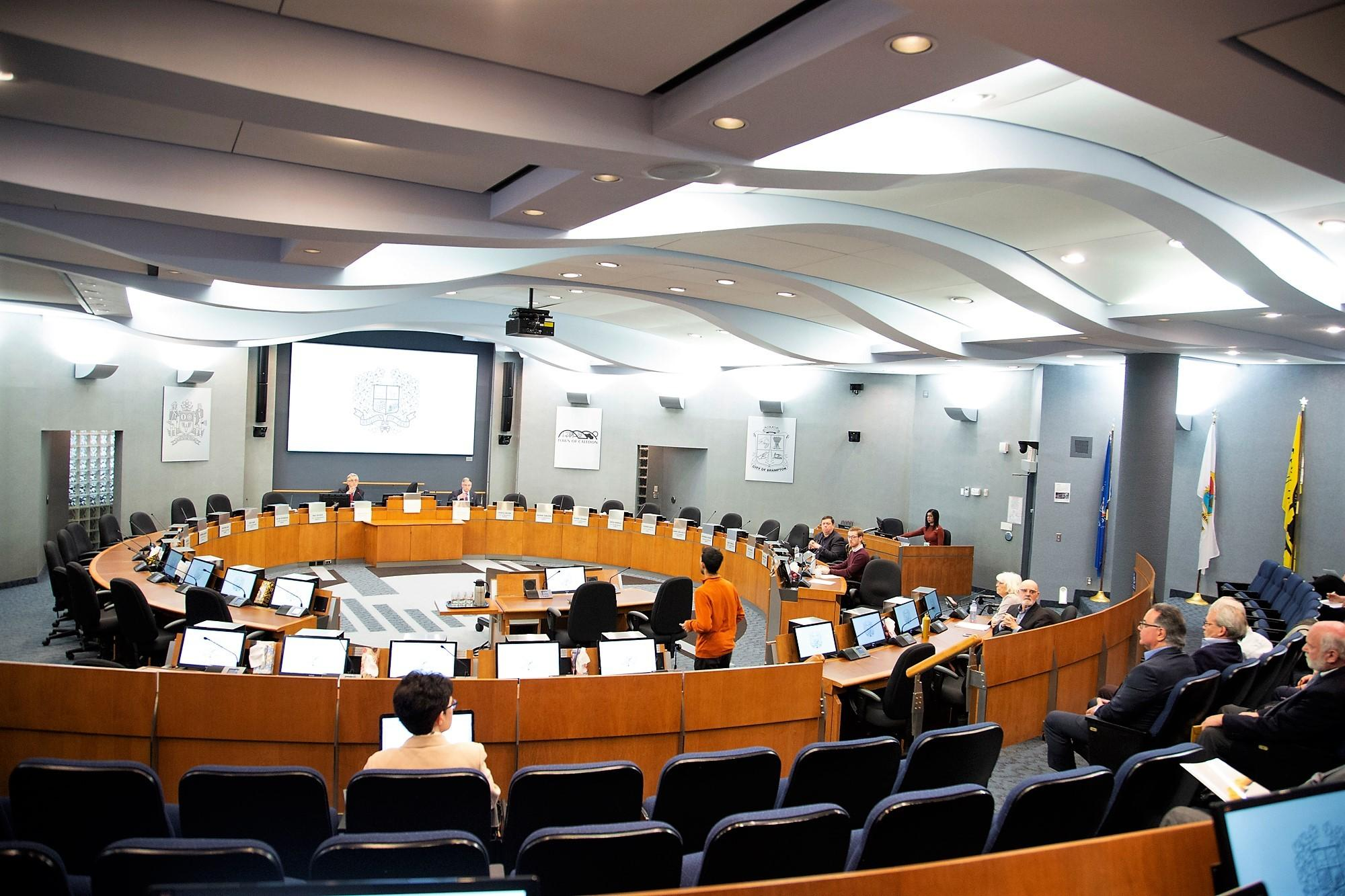
Peel Region has entered a new phase of local governance following the inauguration of its Regional Council for the 2026–2030 term on November 19.
Representing approximately 1.67 million residents and more than 246,000 businesses across Mississauga, Brampton and Caledon, the Council will face important decisions concerning housing, infrastructure, public services and affordability.
Nando Iannicca has returned for a third term as Regional Chair, following his appointment by the Ontario government on November 10 under the province’s new governance framework.
A New Governance Framework
One of the most significant changes concerns the authority granted to the Regional Chair under Ontario’s Better Regional Governance Act, 2026.
The legislation introduces additional executive powers, including the authority to propose the regional budget and exercise certain responsibilities relating to staffing, committees and municipal bylaws.
These changes raise questions about how executive authority, collective decision-making and democratic accountability will interact during the new Council term.
For residents, the practical implications will become clearer as the Council begins adopting policies and making financial decisions.
Essential Services and Community Priorities
Peel Region plays an important role in delivering services that directly affect residents’ quality of life.
These include public health, paramedic services, affordable housing support, childcare, water and wastewater infrastructure, and assistance for vulnerable residents.
As the region continues to experience population growth, maintaining adequate infrastructure and accessible services will remain a significant challenge.
Housing affordability is particularly important for lower-income households, newcomers and families struggling with rising living costs.
The 2027 Budget: A First Major Test
The upcoming regional budget will provide an early indication of the administration’s priorities.
The Regional Chair is expected to present the proposed 2027 budget in the coming weeks.
Decisions concerning infrastructure investment, service funding and taxation could have direct consequences for households and businesses throughout Peel.
Balancing financial sustainability with increasing demand for public services will be one of the Council’s central challenges.
How Residents Can Participate
Local democracy extends beyond municipal elections.
Peel residents can follow Council proceedings, access meeting agendas and official documents, watch public meetings online and request opportunities to address councillors.
These mechanisms allow community members to raise concerns about public services, housing, accessibility and other local priorities.
For newcomers and communities facing language barriers, understanding how regional government operates is an important step towards meaningful civic participation.
Over the next four years, the performance of Peel Region Council will ultimately be measured by its ability to translate policy decisions into tangible improvements in residents’ daily lives.