




As winter approaches, residents across Mississauga, Brampton and Caledon face an increased risk of seasonal respiratory infections, including influenza, COVID-19 and respiratory syncytial virus (RSV).
Public health surveillance provides valuable information about how these infections circulate within communities, helping residents make informed decisions about their health.
Understanding Local Health Trends
Respiratory virus surveillance helps public health authorities identify emerging trends, monitor seasonal outbreaks and assess potential pressure on healthcare services.
For residents, access to local health information can be particularly useful when deciding whether to attend crowded events, visit vulnerable relatives or take additional preventive measures.
However, reported cases do not necessarily reflect the full extent of infections within a community, as many people recover at home without undergoing laboratory testing.
Protecting Vulnerable Residents
Older adults, young children, pregnant women and people with certain underlying medical conditions may face a higher risk of complications from respiratory infections.
Public health measures that can help reduce transmission include:
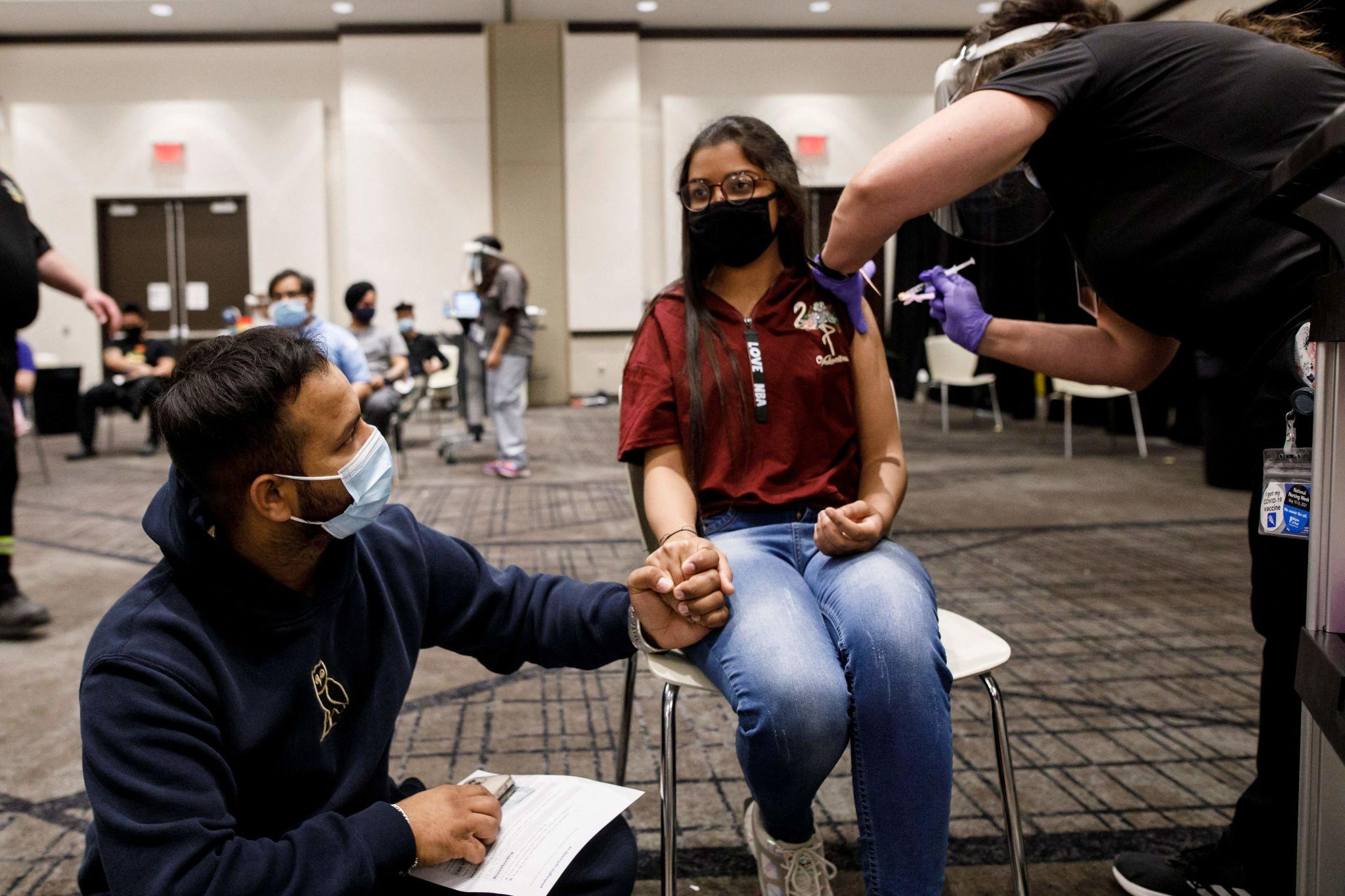
- Staying up to date with recommended vaccinations.
- Staying home when experiencing symptoms.
- Washing hands regularly.
- Improving indoor ventilation.
- Wearing a well-fitting mask when appropriate, particularly around vulnerable individuals.
Accessing Reliable Health Information
Residents can consult Peel Public Health and Public Health Ontario for information about respiratory infections, vaccination recommendations and seasonal health trends.
Ontario’s Health811 service also provides access to health information and advice from registered nurses.
For Peel’s diverse communities, particularly newcomers and residents facing language barriers, accessible public health information remains essential to effective disease prevention.
As respiratory infections circulate during the colder months, understanding local health trends and following appropriate preventive measures can help protect individuals, families and the wider community.