





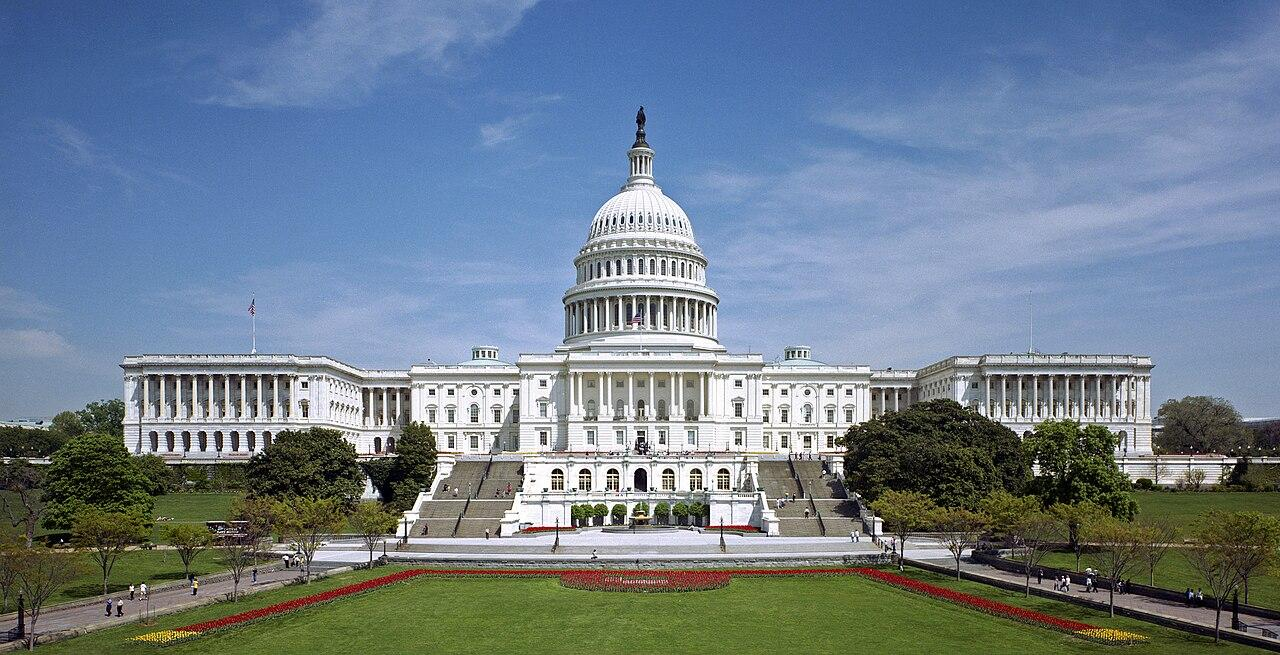
President Donald Trump and congressional Democrats are facing growing pressure to address the cost of living after voters delivered a political setback to Republicans in the US midterm elections.
According to an Associated Press report published on November 8, both parties face difficult choices over inflation, government spending and economic policy as Democrats prepare to assume control of Congress in January.
The election results have intensified debate over how Washington can deliver meaningful financial relief without worsening inflation or increasing federal borrowing.
Inflation Remains a Major Concern
Consumer prices have continued rising, placing pressure on household budgets.
The annual inflation rate reached 3.7%, according to figures cited by the Associated Press.
Food, energy, housing and other essential expenses remain central concerns for American families.
Although employment has remained relatively resilient, many households say wage increases have not fully offset the higher cost of living.
Difficult Choices Over Federal Spending
Both parties have expressed interest in improving affordability, but their approaches differ.
Reducing taxes or increasing public spending may provide financial support to some households.
However, economists warn that policies increasing demand without expanding supply can complicate efforts to control inflation.
Federal deficits and rising debt-service costs also limit the government’s room for manoeuvre.
The challenge is to design policies that provide relief while preserving fiscal sustainability.
Social Security Adds Urgency
Another major issue is the long-term financing of Social Security.
The program’s trust funds are projected to become insufficient to pay full scheduled benefits by the end of 2032 unless lawmakers take action.
Potential solutions include changes to payroll taxes, retirement rules or the structure of benefits.
Each option carries political and economic consequences.
Can Divided Government Deliver?
Democratic control of Congress could create opportunities for negotiation on selected issues.
However, major disagreements over taxation, tariffs, spending and regulation may produce political deadlock.
Trump retains the power to veto legislation, meaning substantial reforms will generally require cooperation between the White House and Congress.
The Economic Test Ahead
The election has changed the political balance in Washington, but it has not resolved the underlying pressures on American households.
The coming months will test whether political leaders can agree on practical measures to improve affordability.
For voters, the most important measure of success may be whether their incomes begin to stretch further in everyday life.